
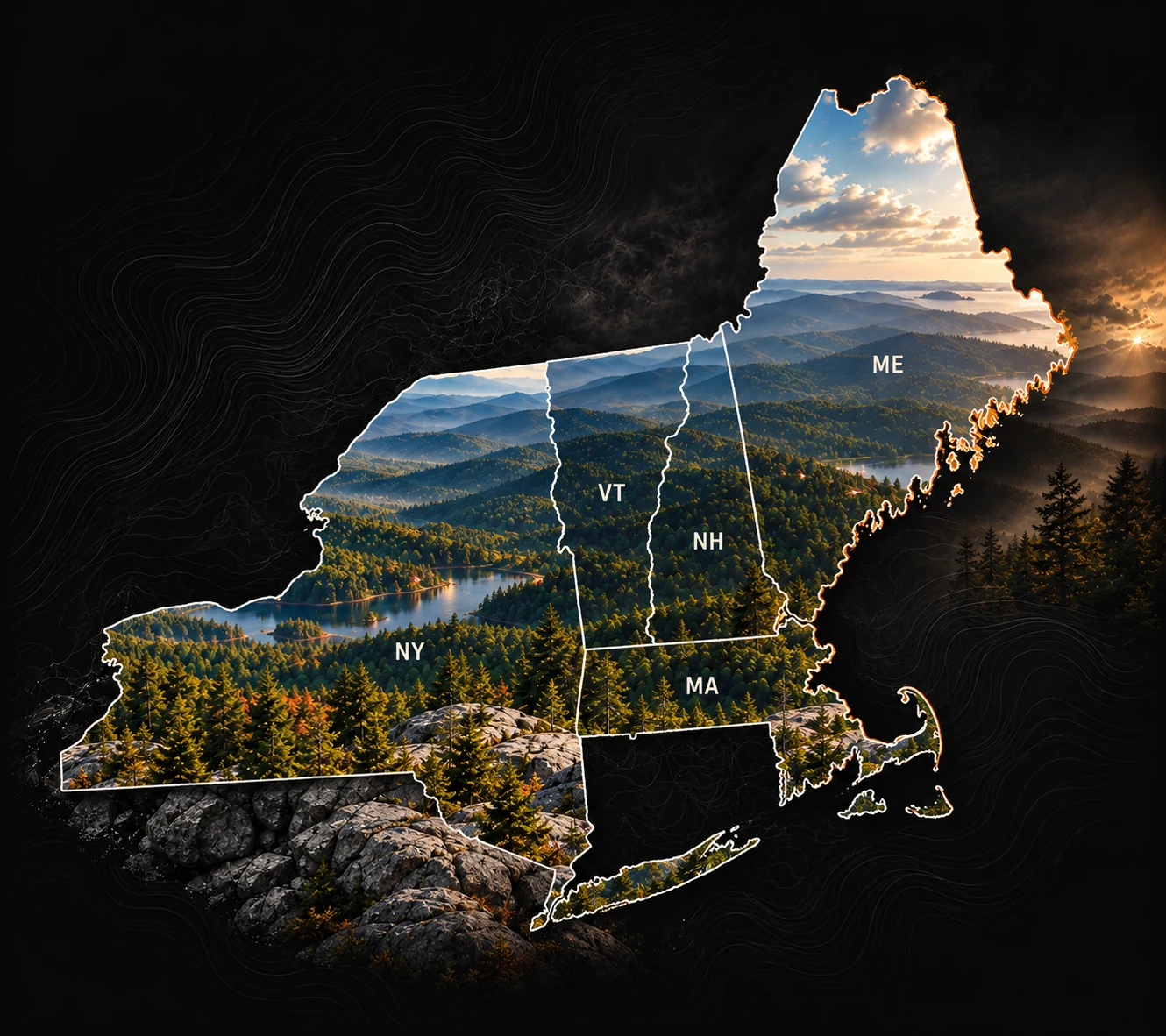
Where we work
Rock work across five states.
Regional capability. A plan for your site.
Five-state service region
Start with your state.
Select a state for relevant site conditions, service options, and planning questions. Capital Rock drills and blasts in all five states with the same crew and the same planning.
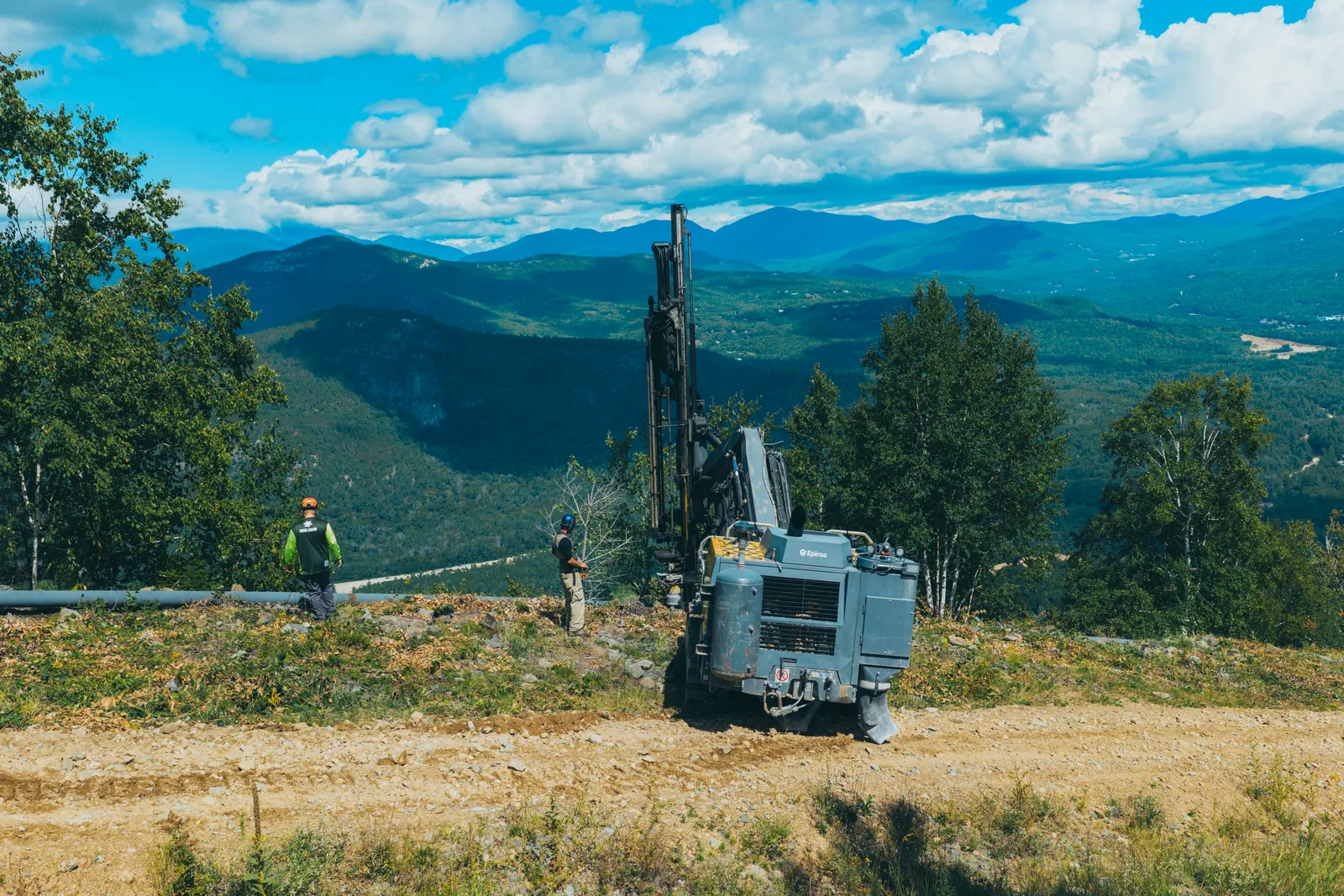
New Hampshire
→
Hard-rock planning around existing homes, wells, roads, and sitework.
Maine
→
Coastal and inland rock work, with access and nearby structures in view.
Vermont
→
Rock-work planning where slopes, access, or seasonal conditions affect the site.
Massachusetts
→
Rock-work planning around nearby properties, utilities, and limited working room.
New York
→
Statewide rock work across varied conditions.
Oxford, Maine · Regional project proof
The Oxford blast.
Capital Rock’s largest quarry blast.
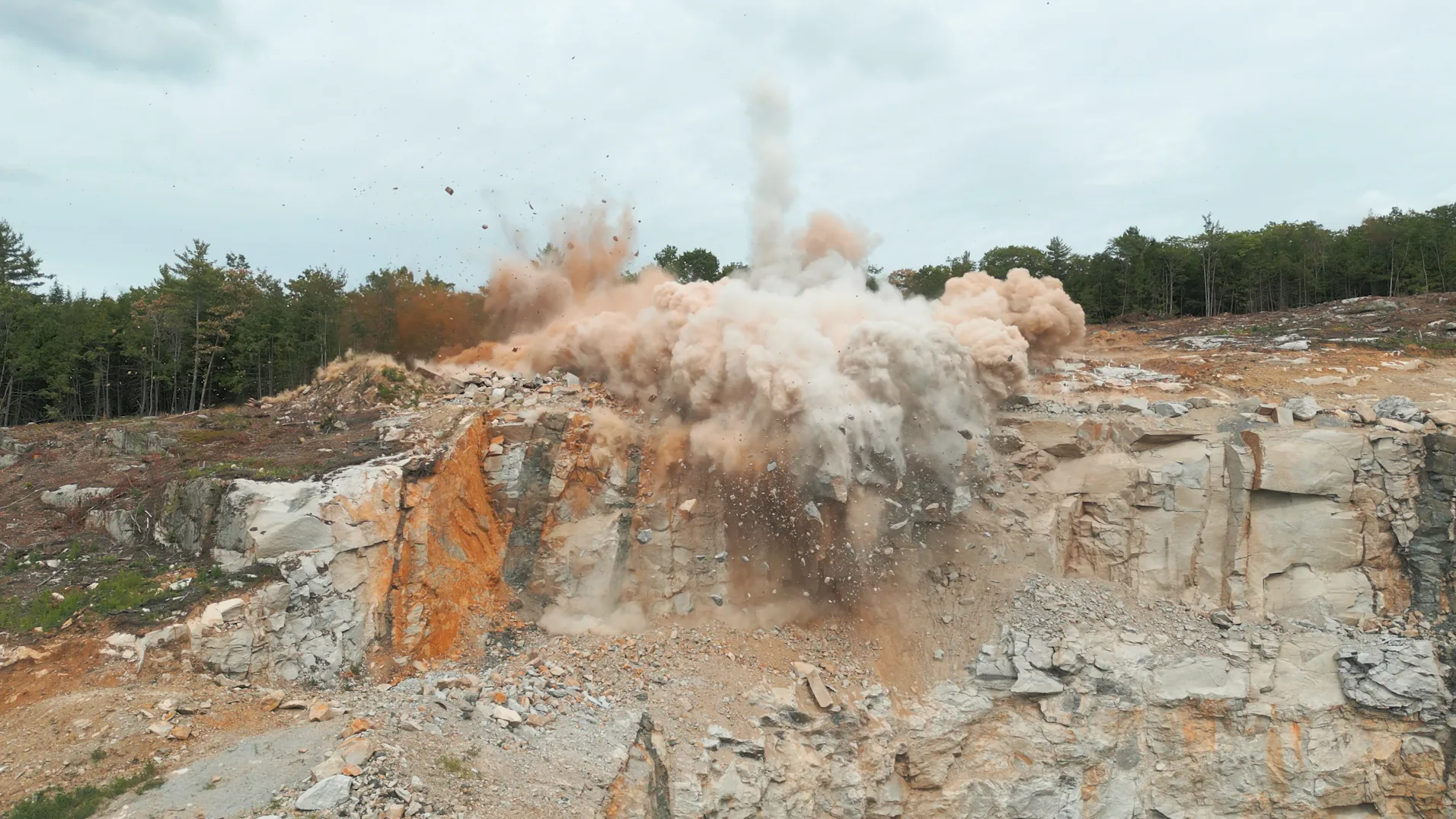
Oxford, Maine - Capital Rock’s largest quarry blast.
Explore the Oxford blast on our Projects page →66,768
Pounds of explosives
240
Drill holes
81,000
Tons of rock
ANNUAL PERFORMANCE
A YEAR ACROSS THE REGION WE SERVE.
Average annual performance across our five-state service footprint.
380
ANNUAL BLASTS
Blast events across the company’s regional book of work.
1M
ANNUAL TONS OF ROCK
Average annual tons of rock across the service footprint.
5
SERVICE-AREA STATES
NH · ME · VT · MA · NY
FIVE-STATE OPERATING REGION
Five states. One standard.
Capital Rock works across New Hampshire, Maine, Vermont, Massachusetts, and New York. Every site gets the same review of rock, access, and surroundings before a method is chosen.
Common Questions
Where We Work FAQ
Practical answers for planning your rock work.
Which states do you work in?
Five: New Hampshire, Maine, Vermont, Massachusetts, and New York, with New York covered statewide. The same crew and the same planning go to every site.
Can I request a Site Review for a New York project?
Yes. Capital Rock works statewide in New York. Send the site location, photos or plans, and timing, and a blaster will review the method.
Is the removal method the same in every state?
No. Rock conditions, access, surroundings, and the intended excavation shape the method. The state page provides planning context; the site requires its own review.
What should I send for a Site Review?
Send the site address, photos or plans, the intended timing, and the excavation limits. Include known nearby structures, wells, utilities, and access restrictions.
What permit or notification information should I include?
Include any permit conditions, notices, survey requirements, or authority contacts already identified for the project. Ask how responsibilities will be assigned before work is scheduled.
Can you work near homes, wells, utilities, or active sites?
Suitability depends on the site. Identify nearby structures, wells, utilities, and active operations so the removal method and any required controls can be evaluated.
Start with a Site Review
Tell us about the site.
Send the site address, photos or plans, timing, and what sits near the work.
Requesting a review does not commit the project to a particular removal method.