
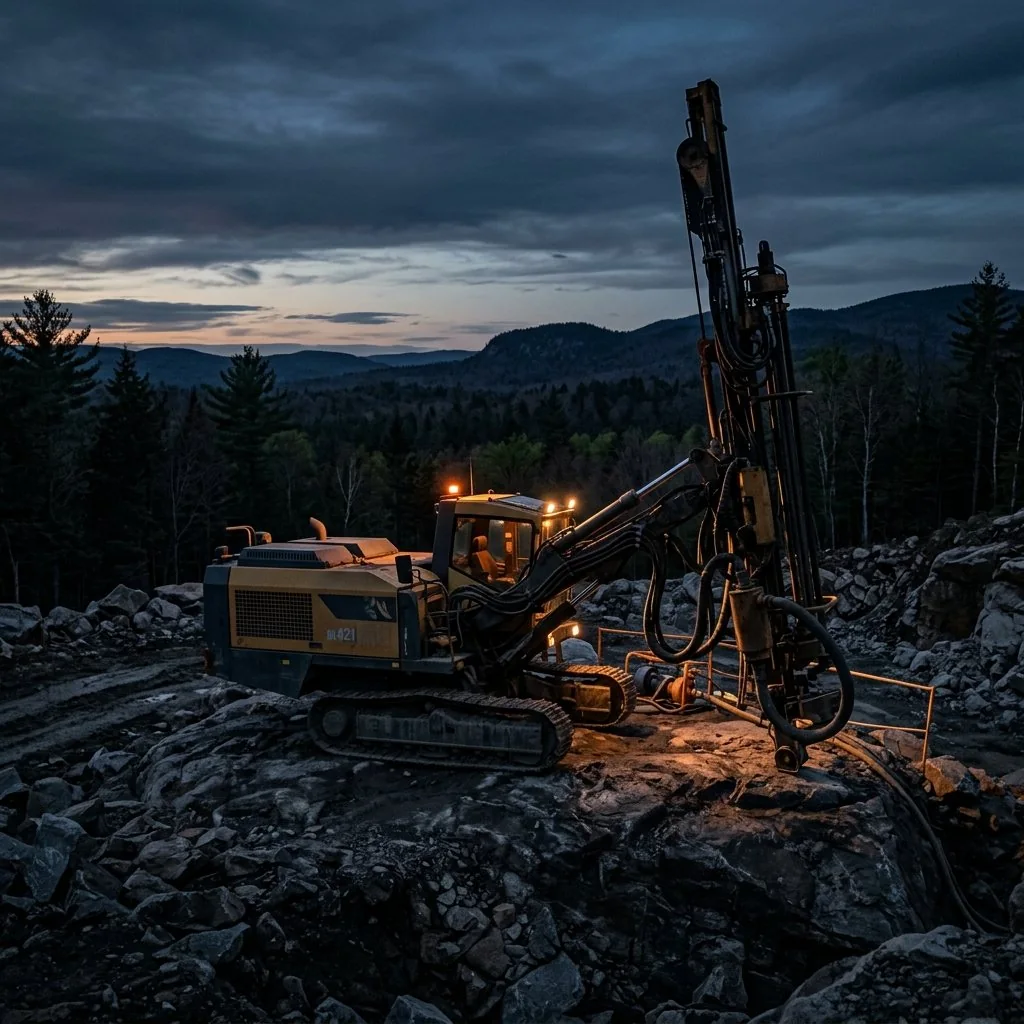
New York rock work
Rock Drilling & Blasting in New York
Varied rock. Different sites. A plan for each.
New York rock and site conditions.
The site sets the planning priorities.
New York’s geology and site conditions vary widely. Review the rock, excavation limits, access, nearby structures, and construction sequence for the specific project.
Rock and overburden
Review the rock exposed on site, available subsurface information, depth, and fractures. Statewide geology is context, not a site assessment.
Access and surroundings
Identify equipment access, slopes, working room, utilities, and nearby structures. Where the approach is wooded or restricted, show the route and its limits.
Project sequence
Share the finished grade, the construction work that follows, and any known access restrictions or work window.
Services & method
Choose a method for the site.
Compare drilling, controlled blasting, and mechanical removal. For projects shaped by unusual constraints, review Specialized Applications.
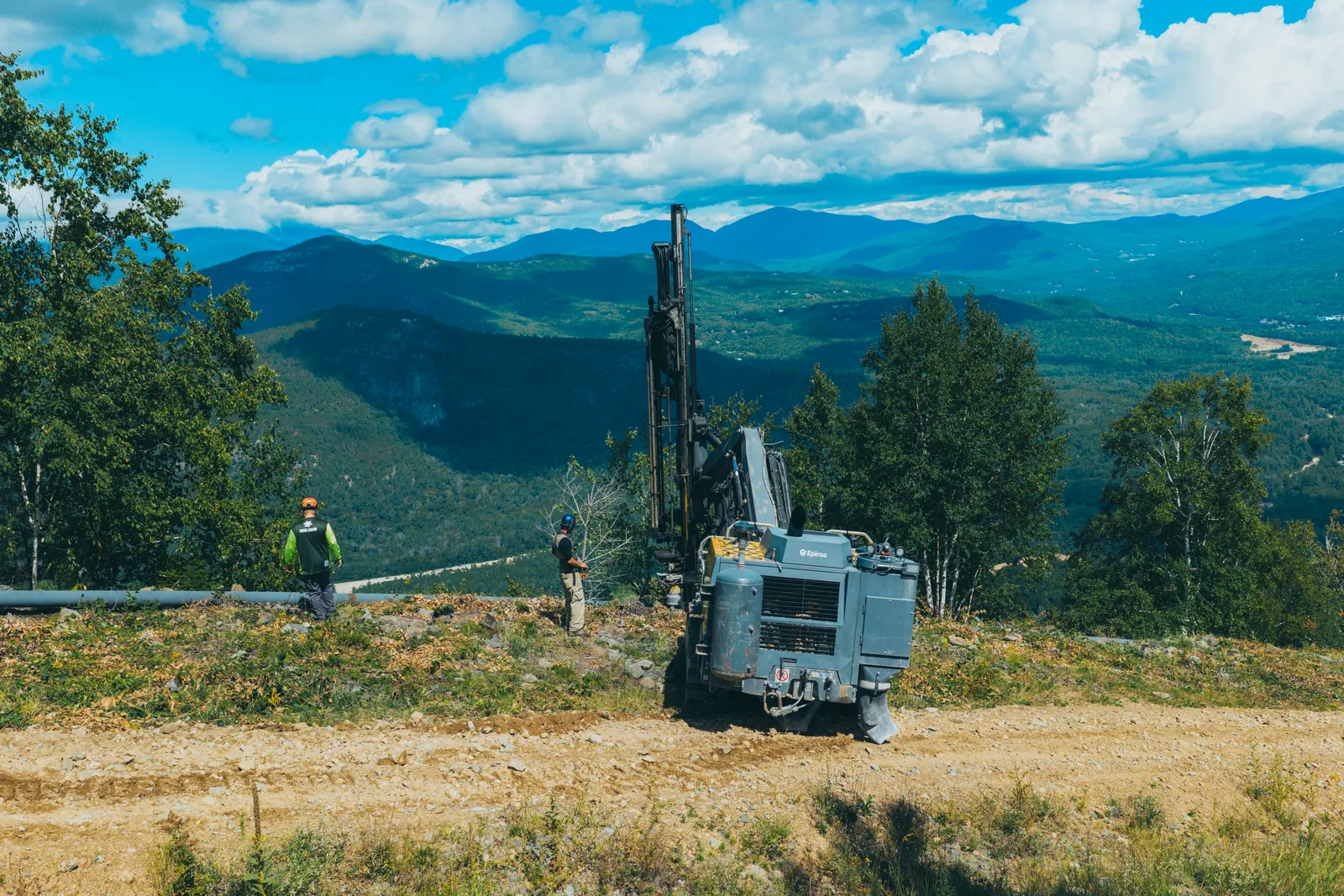
Work in New York
Different sites. Different constraints.
Residential ledge, commercial pads, and road or utility work each need a plan based on their excavation limits and surroundings.
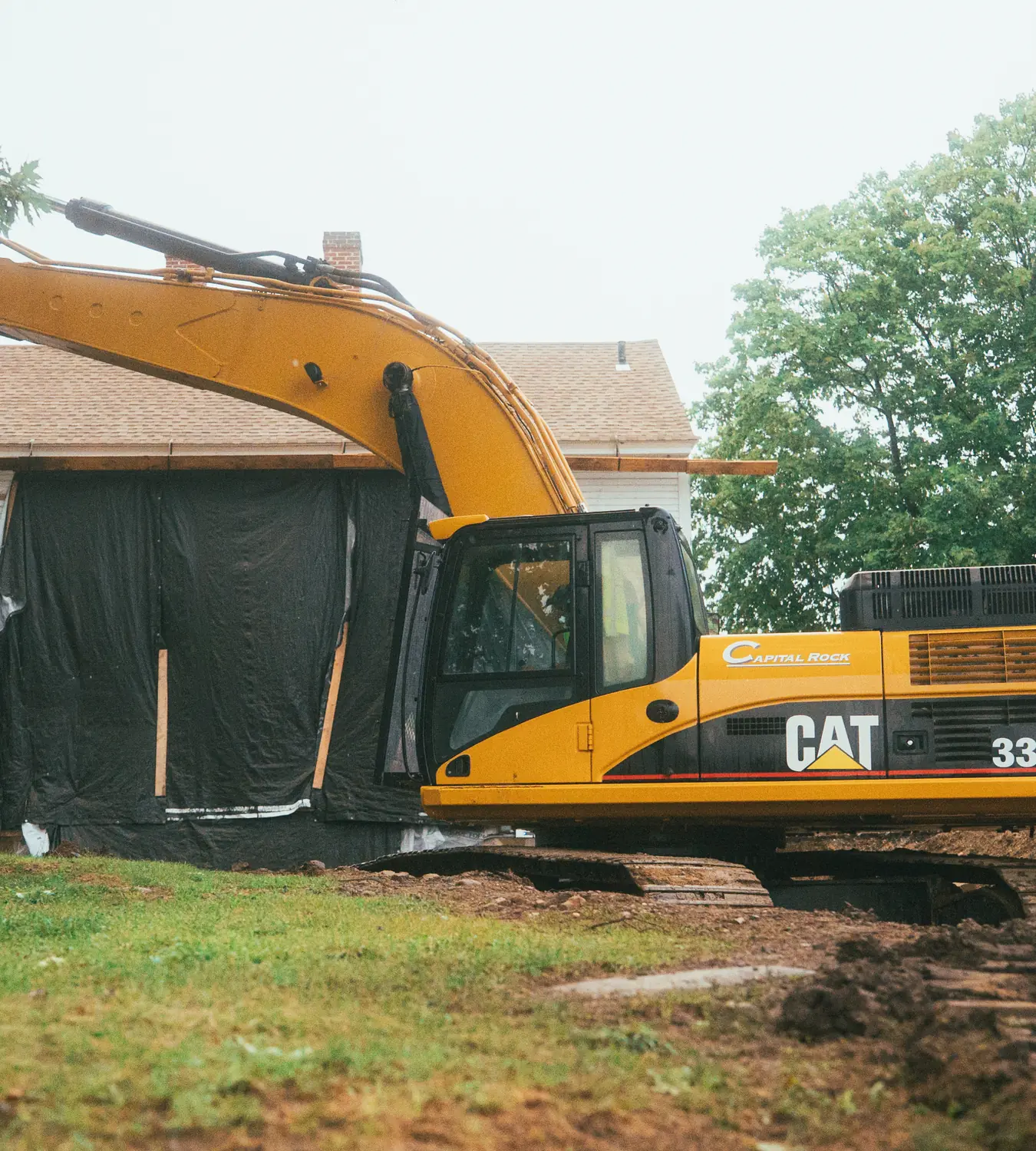
Homes, wells, and foundations
For residential work, show the excavation footprint, nearby homes and wells, and the available equipment route.
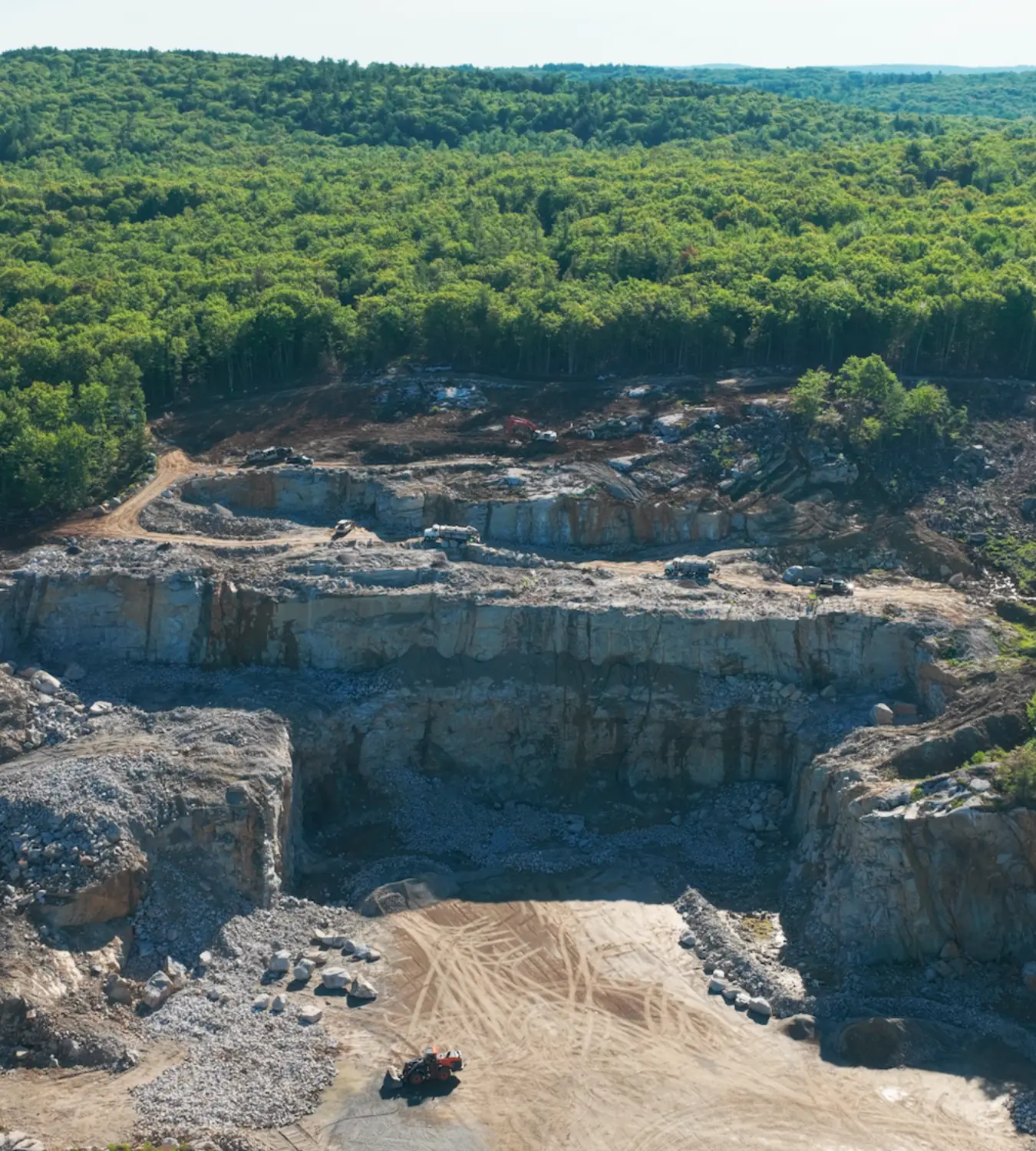
Pads and site packages
For pads and access roads, share the grading plan, rock limits, and the sequence of the larger site package.
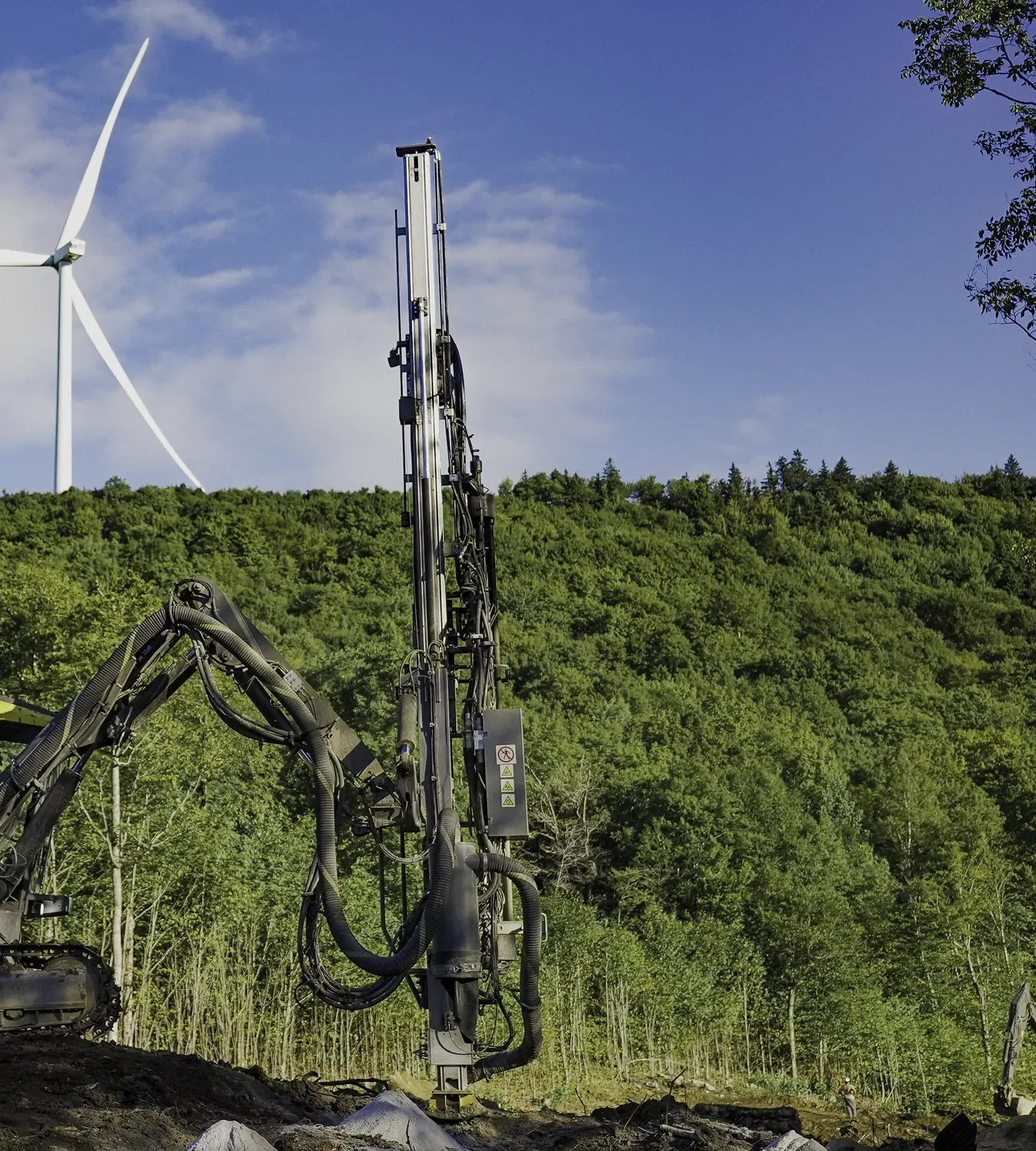
Roads, trenches, and public work
For road cuts and utility trenches, identify live services, working room, and access restrictions along the corridor.
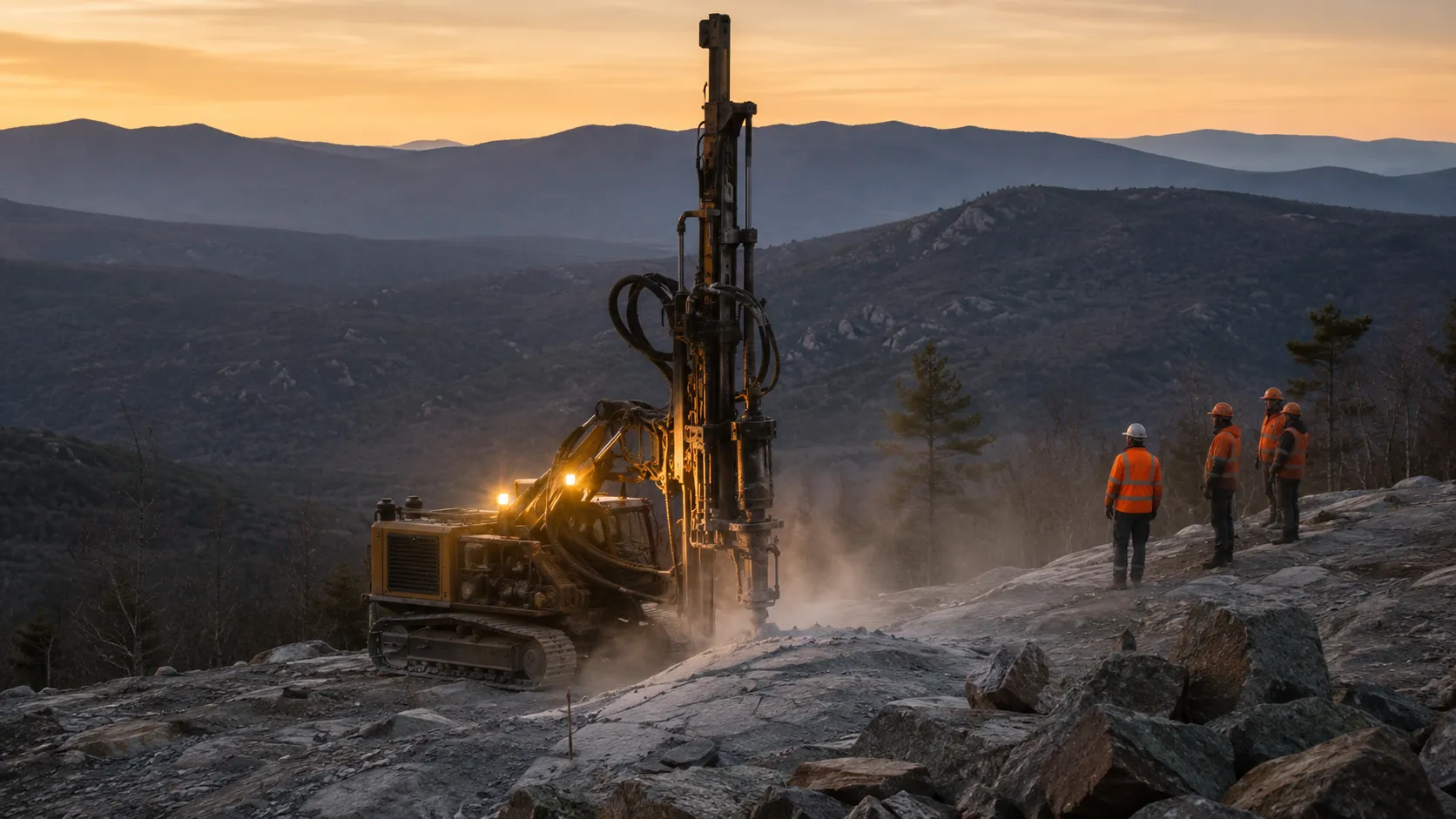
Constrained and operating sites
Where slopes, restricted access, or active operations affect the work, identify those constraints before comparing methods.
Oxford, Maine · Regional project proof
The Oxford blast.
Capital Rock’s largest quarry blast.
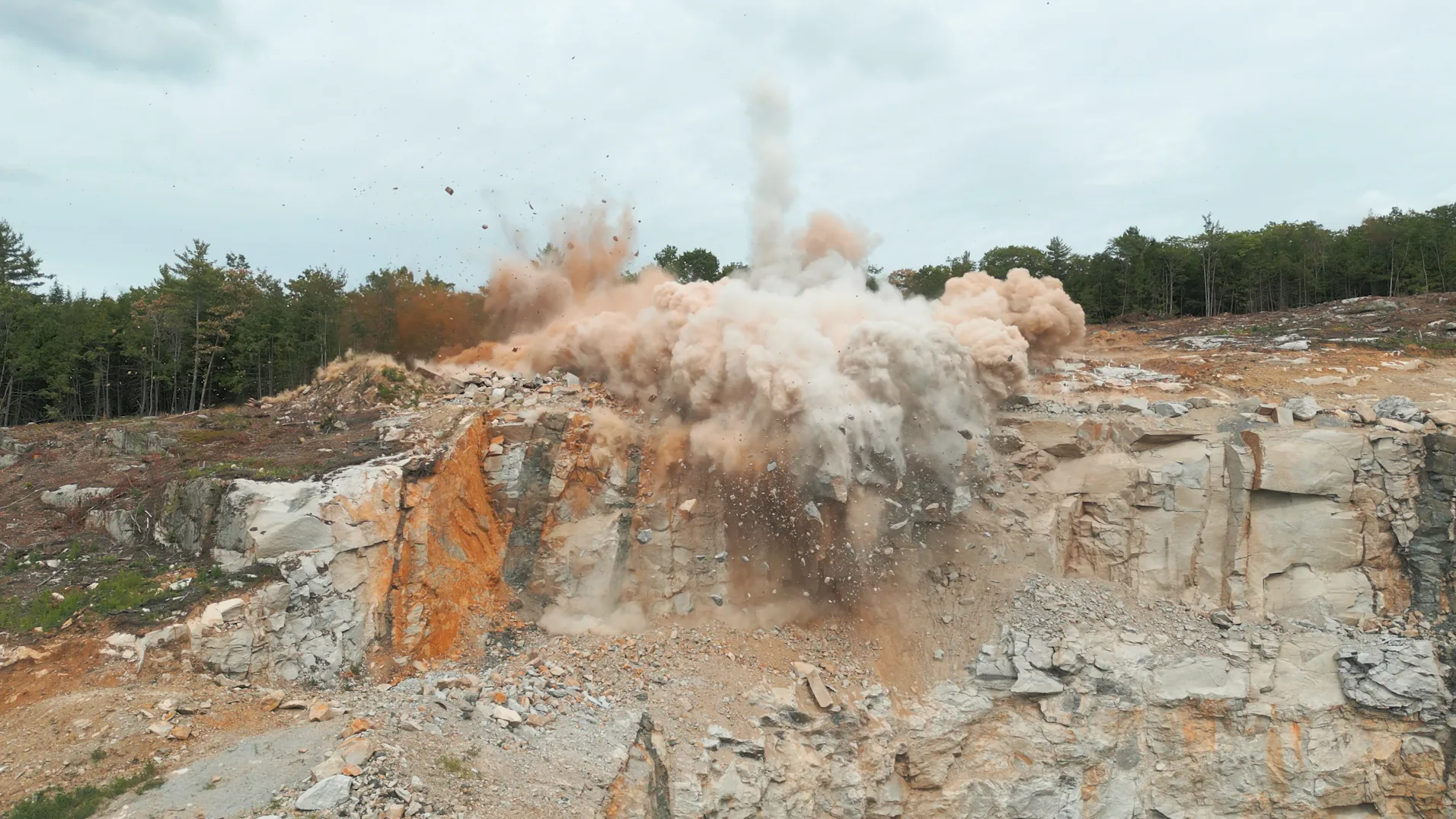
Oxford, Maine - Capital Rock’s largest quarry blast.
Explore the Oxford blast on our Projects page →66,768
Pounds of explosives
240
Drill holes
81,000
Tons of rock
ANNUAL PERFORMANCE
A YEAR ACROSS THE REGION WE SERVE.
Average annual performance across our five-state service footprint.
380
ANNUAL BLASTS
Blast events across the company’s regional book of work.
1M
ANNUAL TONS OF ROCK
Average annual tons of rock across the service footprint.
5
SERVICE-AREA STATES
NH · ME · VT · MA · NY
FIVE-STATE OPERATING REGION
Explore the wider service region.
Planning work in another state? Capital Rock also drills and blasts across New Hampshire, Maine, Vermont, and Massachusetts, with the same crew and the same planning.
Common Questions
New York FAQ
Practical answers for planning your rock work.
Do you take rock work in New York?
Yes. Capital Rock drills and blasts statewide in New York, from foundations and utility trenches to sitework and quarry development. Send the site details and a blaster will review the method, nearby structures, and timing.
Do I need blasting or hoe ramming for ledge in New York?
That depends on the rock volume, depth, fractures, access, nearby structures, and finished grade. The review may identify blasting, mechanical removal, a combination, or a need for more information.
Can you work near homes, wells, utilities, or active sites?
Suitability depends on the site. Identify nearby structures, wells, utilities, and active operations so the removal method and any required controls can be evaluated.
What should I send for a Site Review?
Send the site address, photos or plans, the intended timing, and the excavation limits. Include known nearby structures, wells, utilities, and access restrictions.
What permit or notification information should I include?
Include any permit conditions, notices, survey requirements, or authority contacts already identified for the project. Ask how responsibilities will be assigned before work is scheduled.
Can you plan around a seasonal window?
Share the intended work window and any known access restrictions. These help establish project fit; they do not confirm a start date.
Start with a Site Review
Tell us about the site.
Send the site address, photos or plans, timing, and what sits near the work.
Requesting a review does not commit the project to a particular removal method.