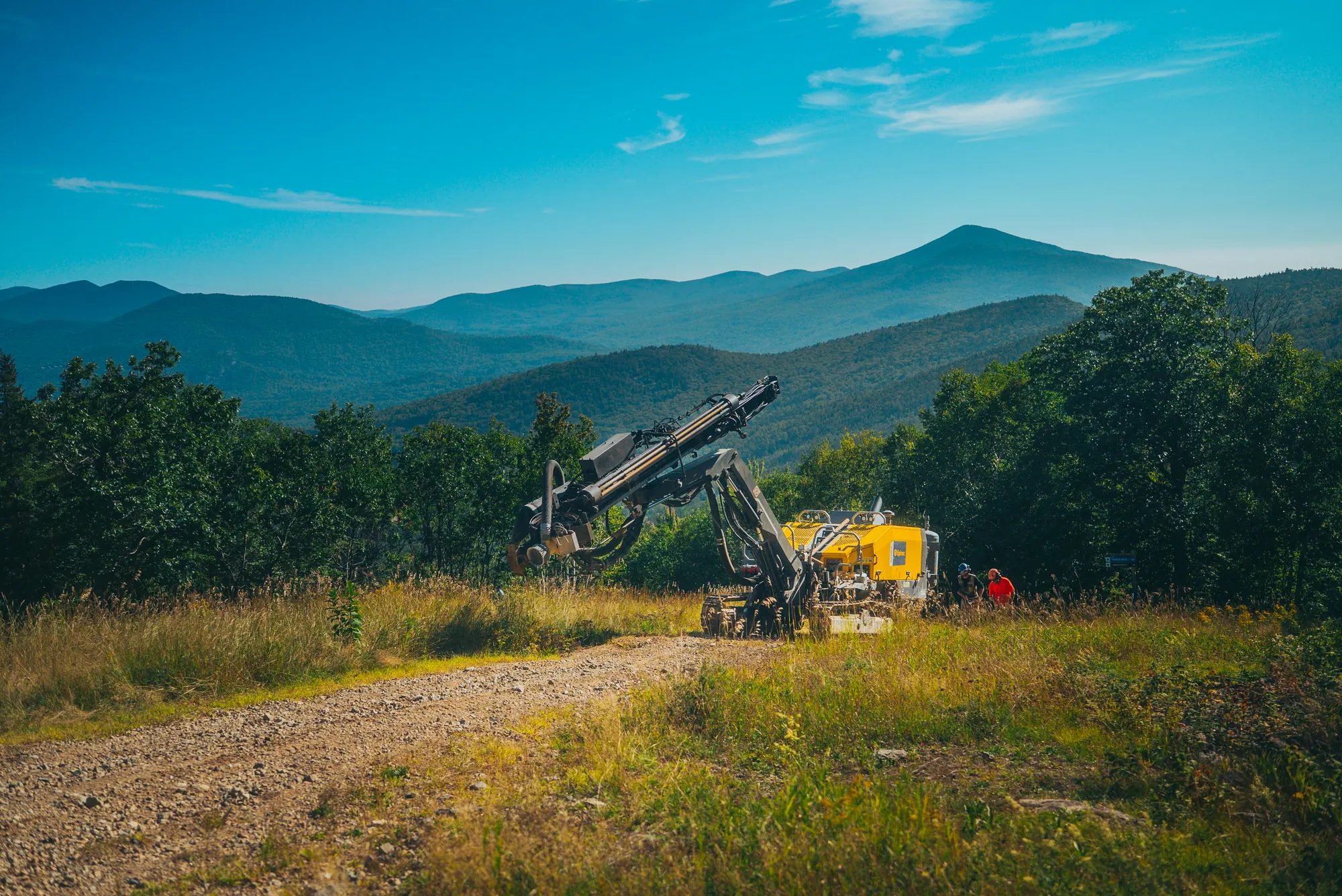
Drill rig and crew working on a rocky mountain slope

OUR SERVICES

ROCK WORK. PLANNED AROUND YOUR SITE.

Drilling, controlled blasting, and rock removal—planned around the ground, access, nearby structures, and the work that follows.

CORE SERVICES

THREE CORE SERVICES.
ONE SITE-BASED RECOMMEN­DATION.

The right method starts with the site. Compare the three core services below, then use a Site Review to confirm the sequence, equipment, and handoff.

01 — CORE SERVICE

DRILLING

Create the pattern the next operation depends on.

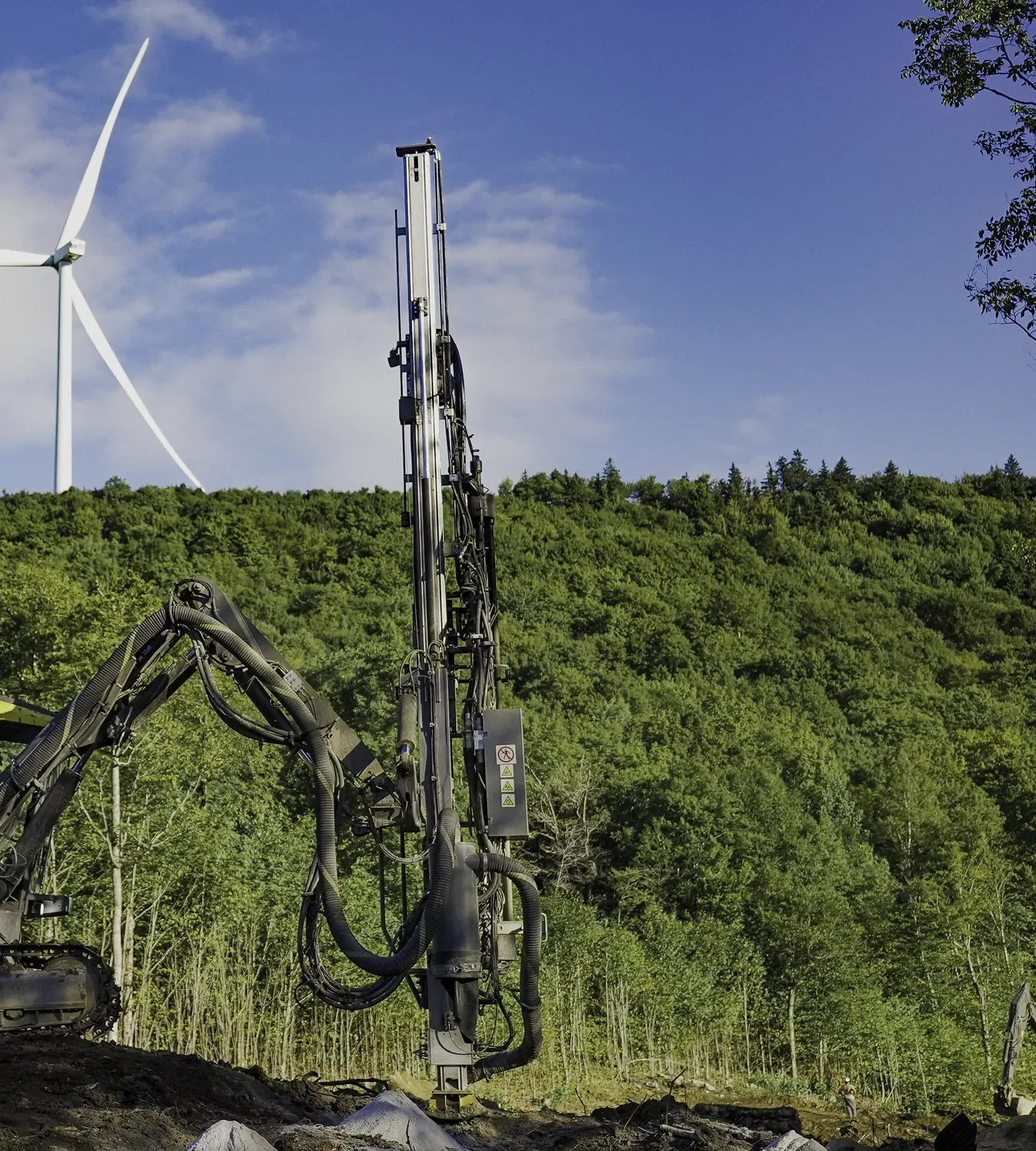
Drilling establishes hole location, depth, and spacing for rock work—whether it supports a planned blast, site preparation, infrastructure, or quarry production.
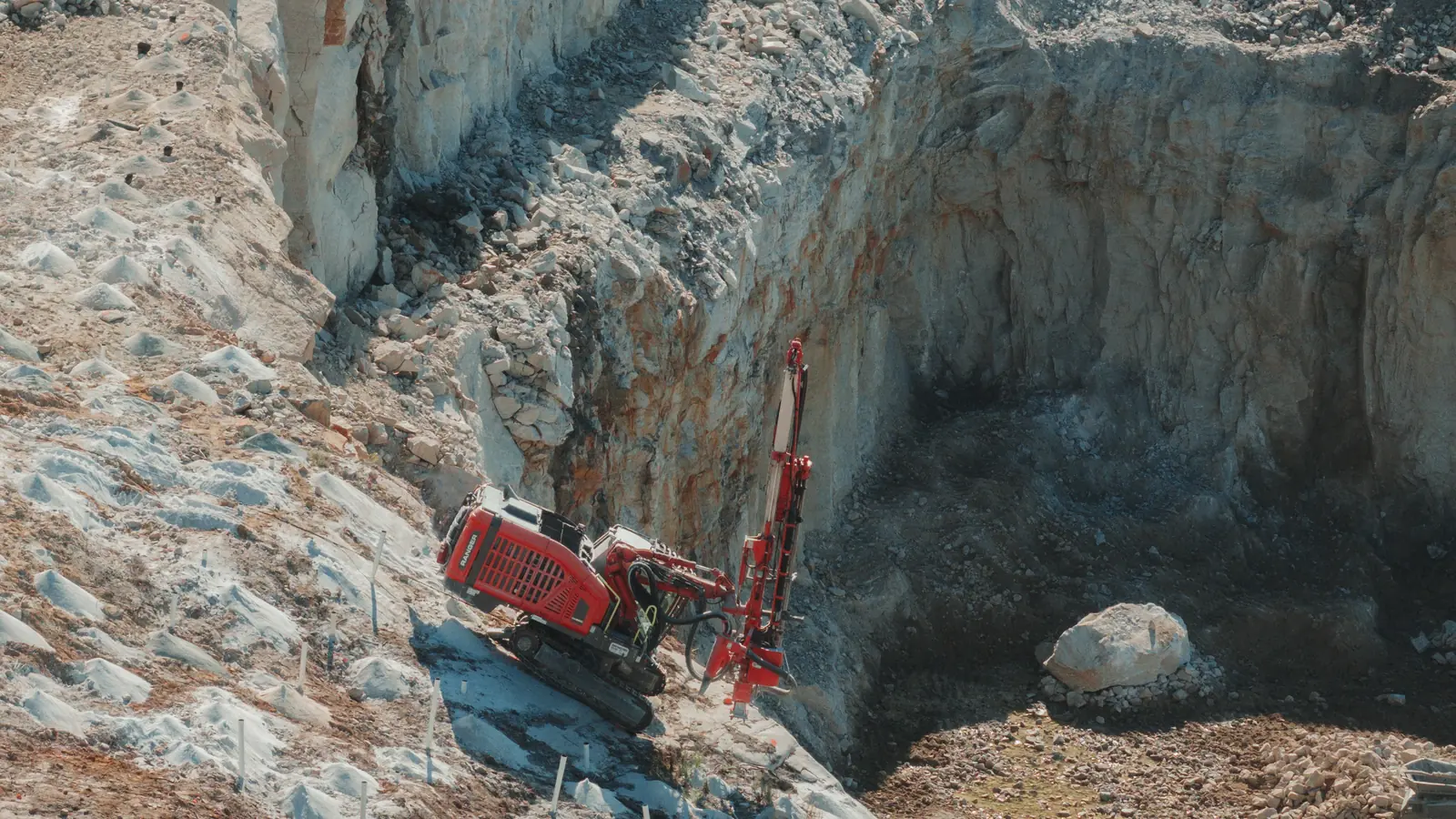
Capital Rock drill rig working on an Oxford quarry bench
  • Foundation and building pads
  • Trenches and infrastructure
  • Roadways and site access
  • Quarry drilling
EXPLORE DRILLING
02 — CORE SERVICE

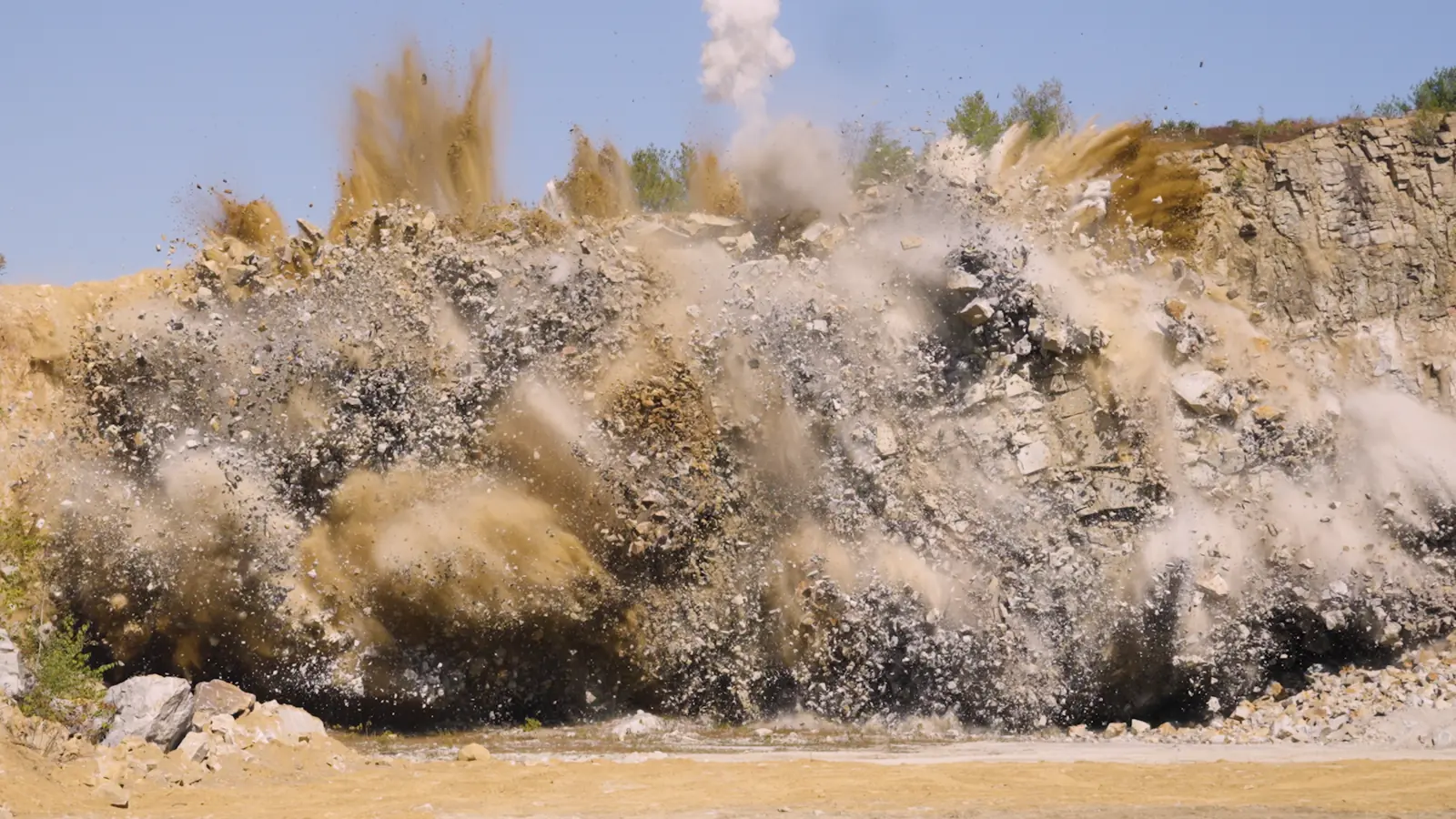
CONTROLLED BLASTING

Move larger volumes of rock through a planned, site-specific shot.

Controlled blasting is evaluated when depth, volume, production needs, and surrounding conditions support a planned blast within the larger excavation sequence.

Controlled blasting at a Capital Rock quarry
  • Site development
  • Civil and infrastructure work
  • Quarry production
  • Energy and specialty work
EXPLORE CONTROLLED BLASTING
03 — CORE SERVICE

LEDGE REMOVAL &
HOE RAMMING

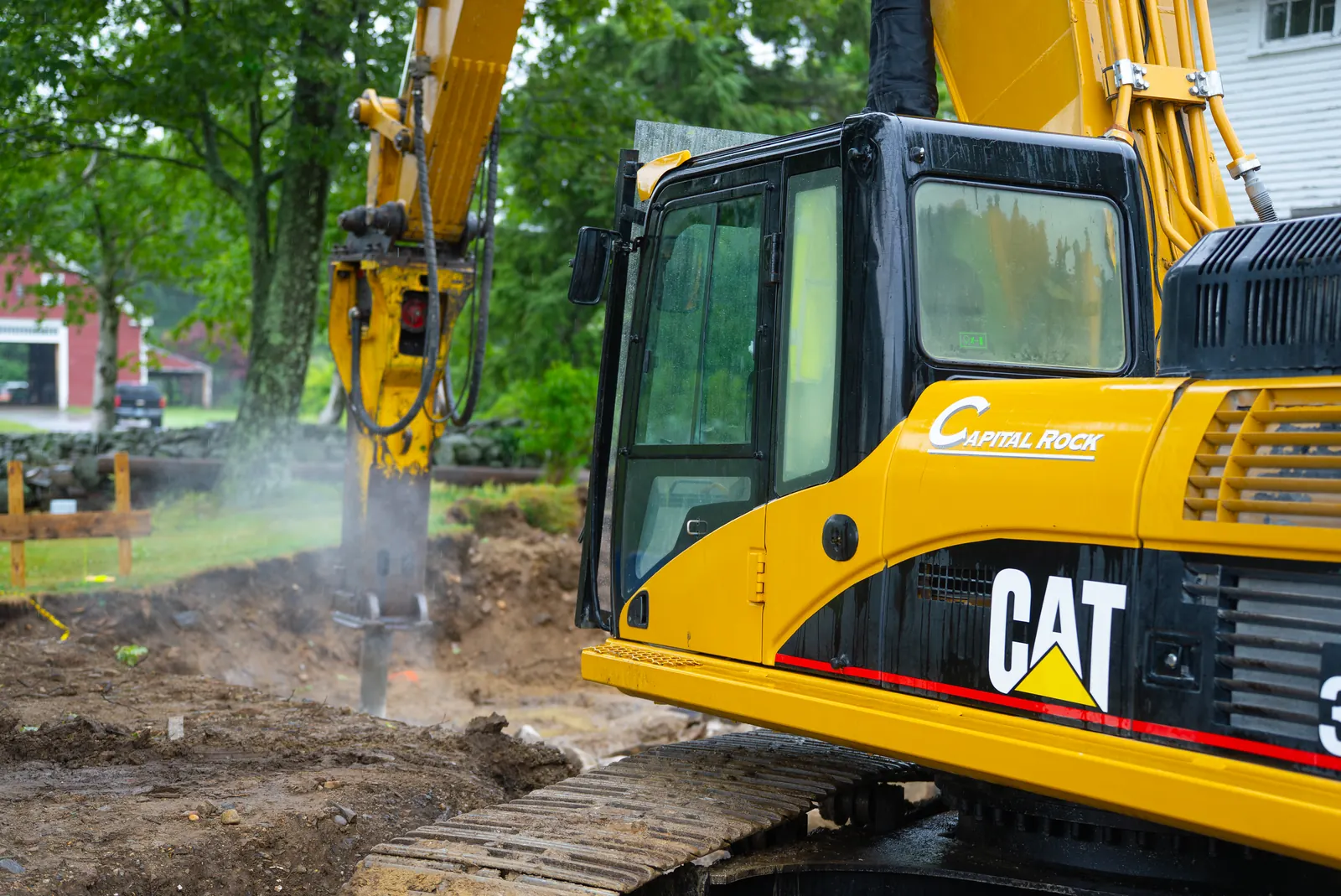
Remove ledge in localized, phased, or restricted work zones.

Hoe ramming uses mechanical removal where blasting does not fit the site’s access, approvals, sequence, or limited scope.

Excavator using a hydraulic breaker on exposed rock
  • Foundation and building pads
  • Driveways, roads, and grades
  • Utilities and trenches
  • Phased removal and material handling
EXPLORE LEDGE REMOVAL
Capital Rock drill rig working near utility infrastructure
BEFORE A METHOD IS NAMED

WHAT DETERMINES
THE PLAN.

Capital Rock first evaluates what the rock is holding up, what surrounds the work, and what the site will allow. Those conditions shape the equipment, sequence, controls, and handoff.

01
VOLUME & DEPTH

How much rock must move and the geometry of the cut.

02
ACCESS

Working room, equipment position, and material movement.

03
NEARBY STRUCTURES

Homes, utilities, traffic, or active work around the site.

04
APPROVALS

Project requirements, coordination, and documentation that may apply.

05
PRODUCTION & HANDLING

Schedule, finished grade, material reuse, or load-out.

HOW THE METHOD IS CHOSEN

ONE SITE. MORE THAN ONE TOOL.

When drilling feeds a blast

Volume, depth or production demand.

WHEN

Greater volume, depth or production demand.

WHY

The drill pattern prepares the planned shot.

Hole placement, depth and spacing feed the blast sequence and the downstream plan for moving and handling the rock.

When mechanical removal fits

Localized, phased or restricted work.

WHEN

Localized, phased or approval-restricted work.

WHY

A planned blast may not fit the site.

Mechanical removal may suit these conditions.

When site constraints lead

Access, working room and timing.

WHEN

Access, working room, timing or nearby activity.

WHY

The constraints can shape the method and sequence.

Material movement also influences the approach. Unusual access or sequencing constraints may call for specialized review.

ANNUAL PERFORMANCE

A YEAR ACROSS
THE REGION.

The book of work for the year — blasts, tons, and the five-state operating region.

380
ANNUAL BLASTS

Blast events across the company’s regional book of work.

1M
ANNUAL TONS OF ROCK

Annual rock volume across the company’s regional book of work.

5
SERVICE-AREA STATES

NH · ME · VT · MA · NY

Common Questions

Choosing where to start.

Practical answers for choosing a starting service, combining methods, and sending a review.

Which service should I start with?

Start with the job, not the method. Capital Rock looks at the site first, then names drilling, controlled blasting, hoe ramming, or specialized work that fits.

Can a project involve more than one service?

Yes. Some jobs stay on one tool. Others combine drilling with a blast, or a ram with leftover drilling, depending on the site.

Does requesting a review commit the project to a method?

No. A review does not lock the job to blasting, ramming, or any other path.

What should I send for a review?

Location, photos or plans, a rough sense of the rock, schedule, access, and what sits nearby.

How early should Capital Rock get involved?

Before the sequence is locked. Early enough that the method can still change with the site.

Can you review an incomplete scope?

Yes. Partial plans and photos are enough to start. We will ask for what is missing.

What if the work does not fit one category?

That is the specialized path — when access, neighbors, or the sequence itself run the job.

What happens after the review?

We will name a likely path and what to send next. Nothing is committed until you decide.

Ready to get started?

Tell us what the project needs.

Share the site location, approximate scope, access, schedule, and surrounding conditions. Capital Rock will review the information and identify the appropriate next step.

Requesting a review does not commit the project to a specific method.