

Planned for the next step.
Rock Drilling.
Prepare the rock for a planned blast and the excavation that follows.
How drilling is planned
From the excavation plan to the drilling pattern.
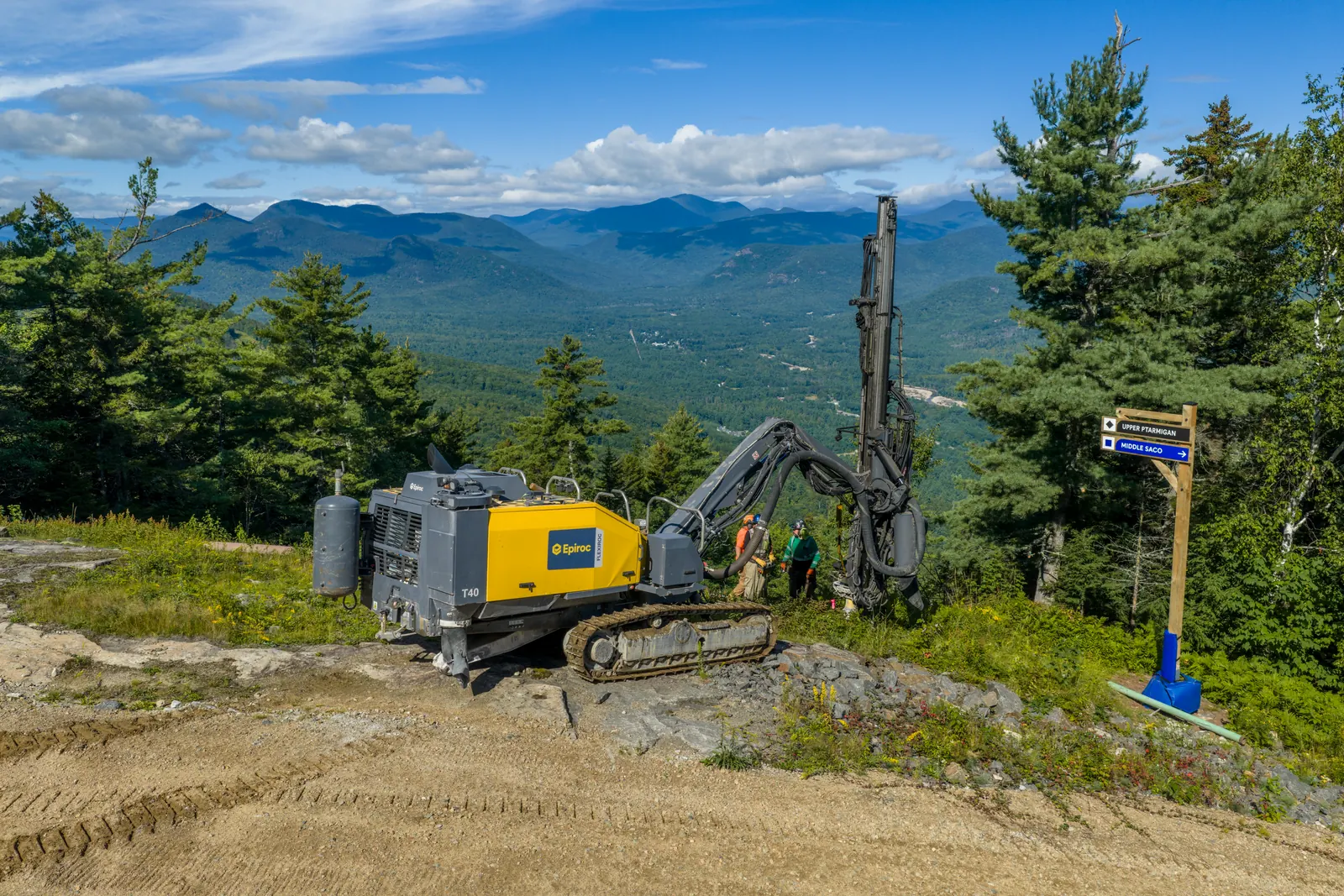
The drilling pattern sets out where the holes go and how deep and at what angle they are drilled. Capital Rock coordinates those requirements with the rock, equipment position, and the blast, excavation, or installation that follows.
Drilling fit
What are the holes for?
The intended use determines the drilling requirements. Tell Capital Rock what the holes need to achieve and how they fit into the excavation.
Plan for production drilling.
Hole position, depth, angle, and spacing coordinated with the blast design and excavation sequence.
Plan for specialty drilling.
The intended use, required tolerances, equipment position, and the work that follows.
Typical applications
Foundations and building pads · Trenches and infrastructure · Roads and site access · Quarry production.
Site review
What determines the approach?
These details help Capital Rock evaluate the work. Share what is available and identify what still needs to be confirmed.
The required holes
Plans, intended use, removal limits, and any specified position, depth, angle, or tolerance define what the drilling must achieve.
The rock and working position
Rock type and fractures, ground conditions, equipment access, and available working room affect the setup.
The surrounding work
Nearby structures and utilities, site traffic, other trades, schedule, and the next operation shape coordination.
How the work runs
From site review to the next trade.
The sequence connects the service to the excavation and the work that follows.
01
Review the site
Review plans, the intended use of the holes, rock conditions, access, nearby assets, and the project sequence.
02
Plan the drilling
Coordinate the pattern, depth, angle, and spacing with the required result and, where applicable, the blast design.
03
Set up and drill
Position the equipment, coordinate the work area, and complete drilling to the planned requirements.
04
Document and hand off
Confirm the completed work and relevant field records with the next operation or project team.
The Pattern in Practice
The Oxford Blast.
This is Capital Rock's largest quarry blast.
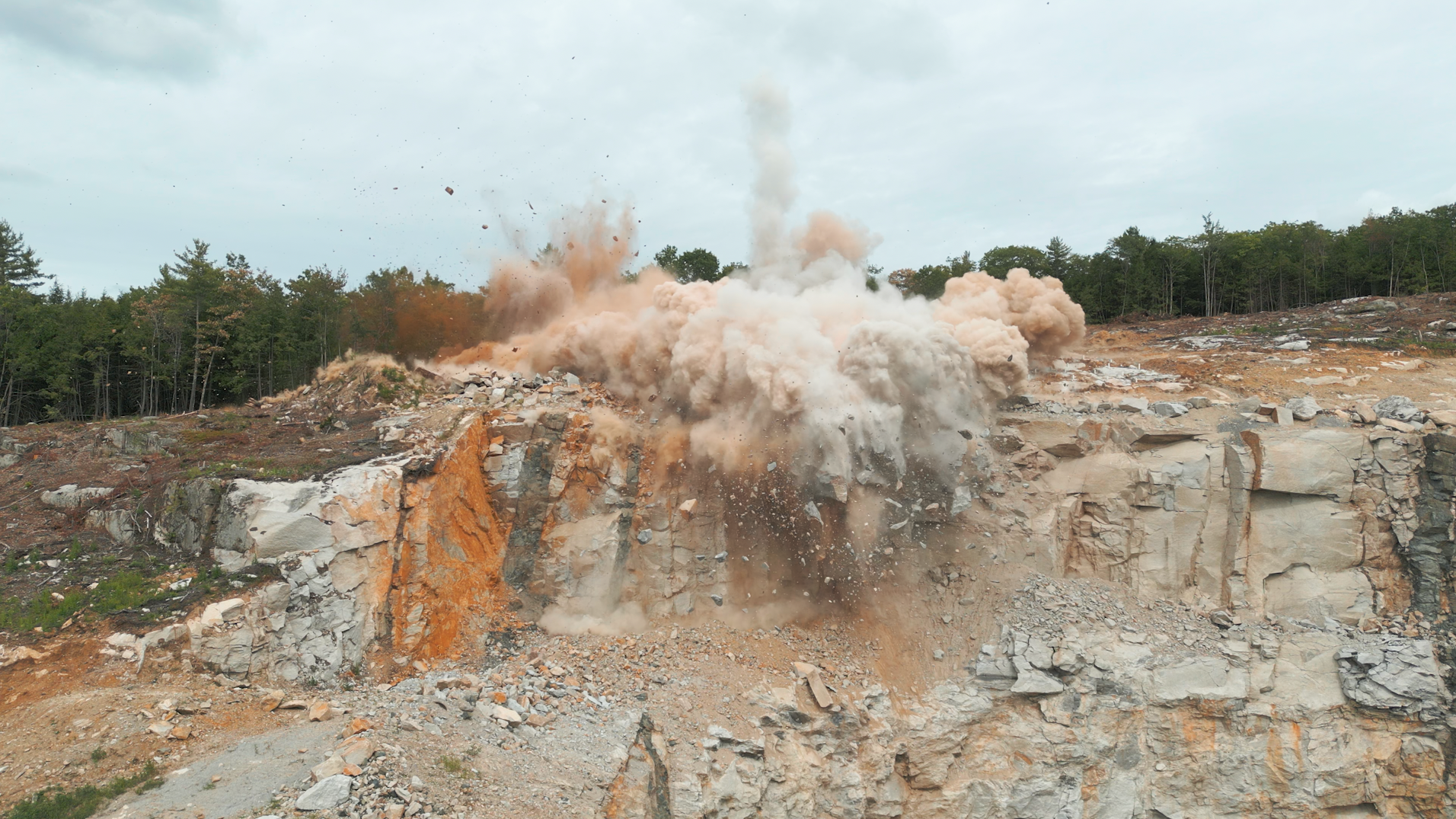
Capital Rock’s Oxford quarry blast.
View the Oxford project →66,768
Pounds of explosives
240
Drill holes
81,000
Tons of rock
Common Questions
Questions before drilling.
Practical answers about fit, planning, and coordination.
Is drilling always followed by blasting?
No. Capital Rock drills blast patterns and drilling work that does not involve explosives, including pads, trenches, anchors, and holes that require specific placement.
How is the drilling pattern decided?
The pattern depends on the rock, the required holes, equipment access, nearby conditions, and the blast, excavation, or installation that follows.
Can you drill near buildings or utilities?
Often. Capital Rock reviews access, utility locations, working room, and the purpose of the drilling before planning the work.
How are depth and placement checked?
Hole position, angle, and depth are matched to the rock and the required result, then checked against the drilling pattern before the crew moves on.
Do you provide a drilling pattern and records?
Yes. The work includes a documented pattern covering position, depth, and sequence, with records for the crew that follows.
When should Capital Rock be involved?
Before drilling is needed by the blasting crew, excavator, or installer. Early review allows the pattern and site coordination to be resolved before those operations are waiting.
Ready to get started?
Tell us what the holes need to do.
Share your plans, the intended use of the holes, and the site conditions. Capital Rock will review the requirements and recommend the next step.
Requesting a review does not commit the project to a particular removal method.