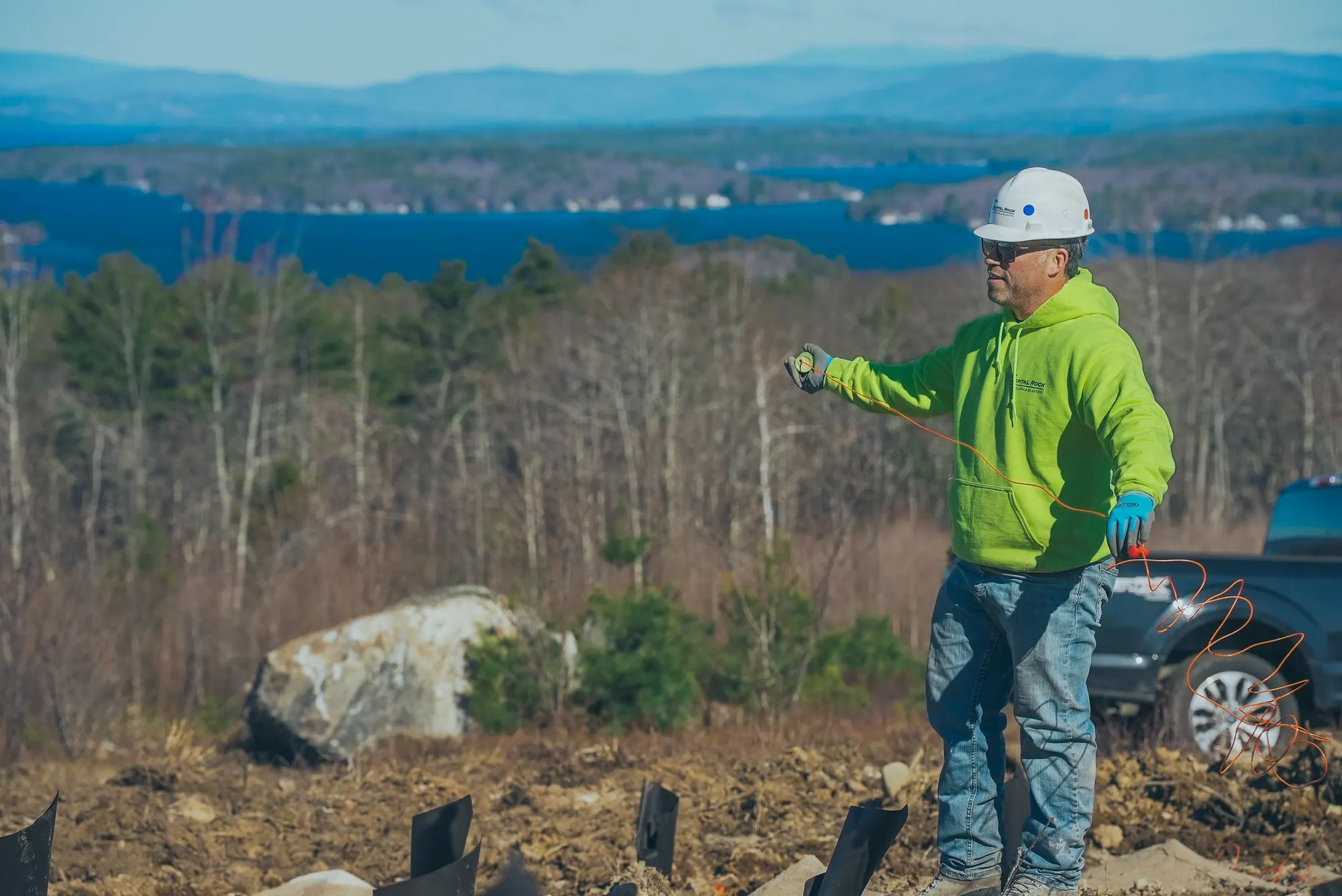
Crew member preparing cords on an active rock-work site

Built for difficult jobs

Homegrown in New England.

Capital Rock was built on a simple idea: the hardest jobs deserve the steadiest hands. Not a volume shop — the crew you call when the work is complex, sensitive, or high-stakes.

The story

BUILT BY HAND. RUN BY THE SAME CREW.

Louis Rumore founded Capital Rock in New Boston, New Hampshire in 2010, on a conviction that has held as the company grew: the crew matters more than the equipment.

Drilling and blasting is a trade where judgment is built shot by shot, season by season, and judgment doesn't survive a rotating cast. A crew that has worked the same rock together reads a face differently than one assembled for the job. So the crew stays together. The same people come back year after year, carrying the same standards from a backyard ledge job to a ridgeline foundation.

Fifteen years of that adds up in ways that don't fit on a capabilities sheet. Three hundred thousand miles a year across five states. A production pit and boulder removal on a residential lot in the same week.

2010

Founded by Louis Rumore

5 states

NH · ME · VT · MA · NY

10K–1M

Tons in a production pit

Satisfactory

FMCSA compliance review, 2025

Capital Rock crew member in a hard hat and safety harness on a blasted rock face

That's why GCs see the same faces season after season, and why the difficult jobs keep finding this crew: the work that can't go wrong needs people who've done it together before.
What we stand on

RELATIONSHIPS. PERFORMANCE. INTEGRITY.

The same people, the same standards, job after job.

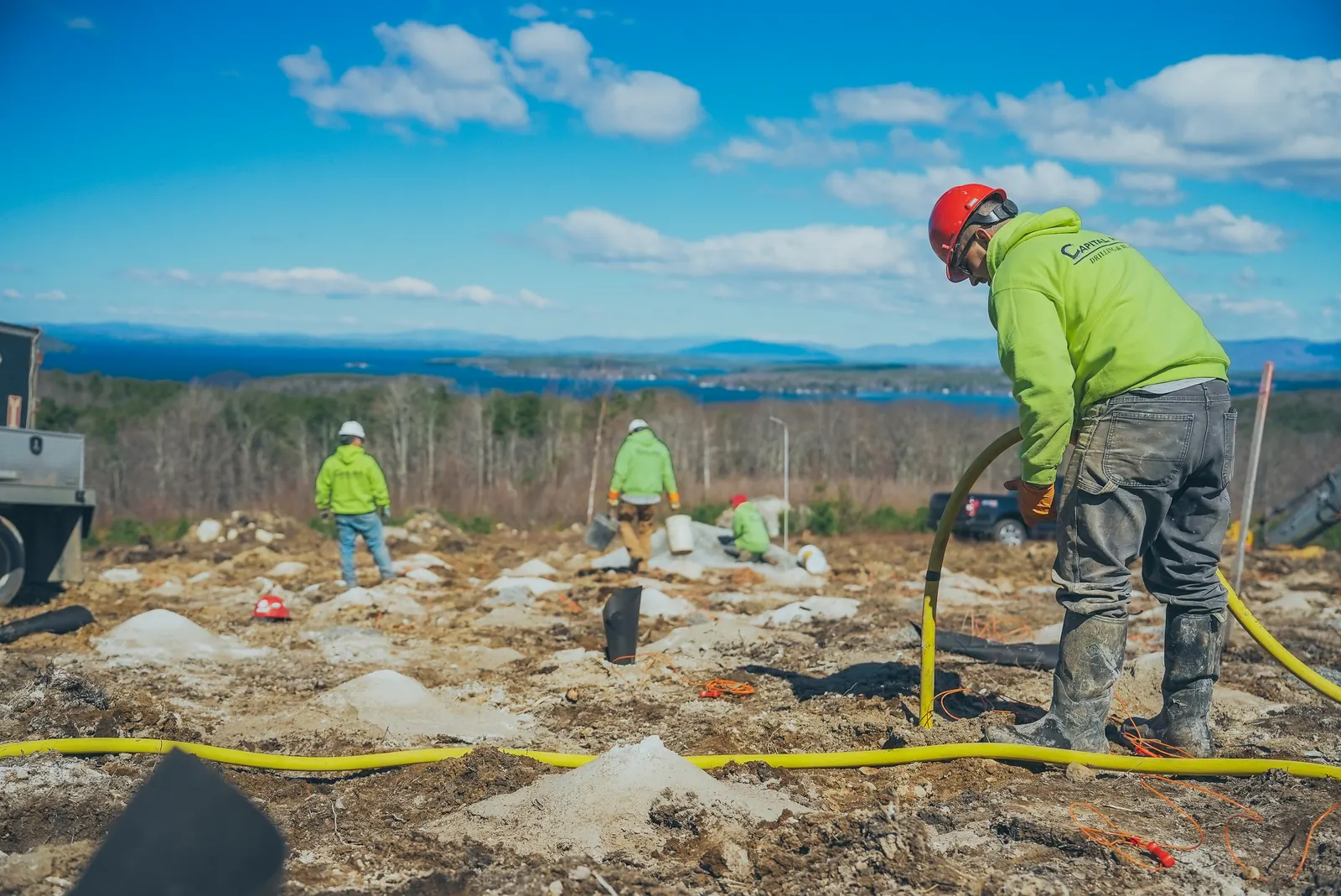
Crew members working together across an exposed rock site

Crew consistency

The people who show up are the people who were there last season. On a shot placed forty feet from a drilled well, that's the difference between a crew that has seen the condition before and one reading it new.

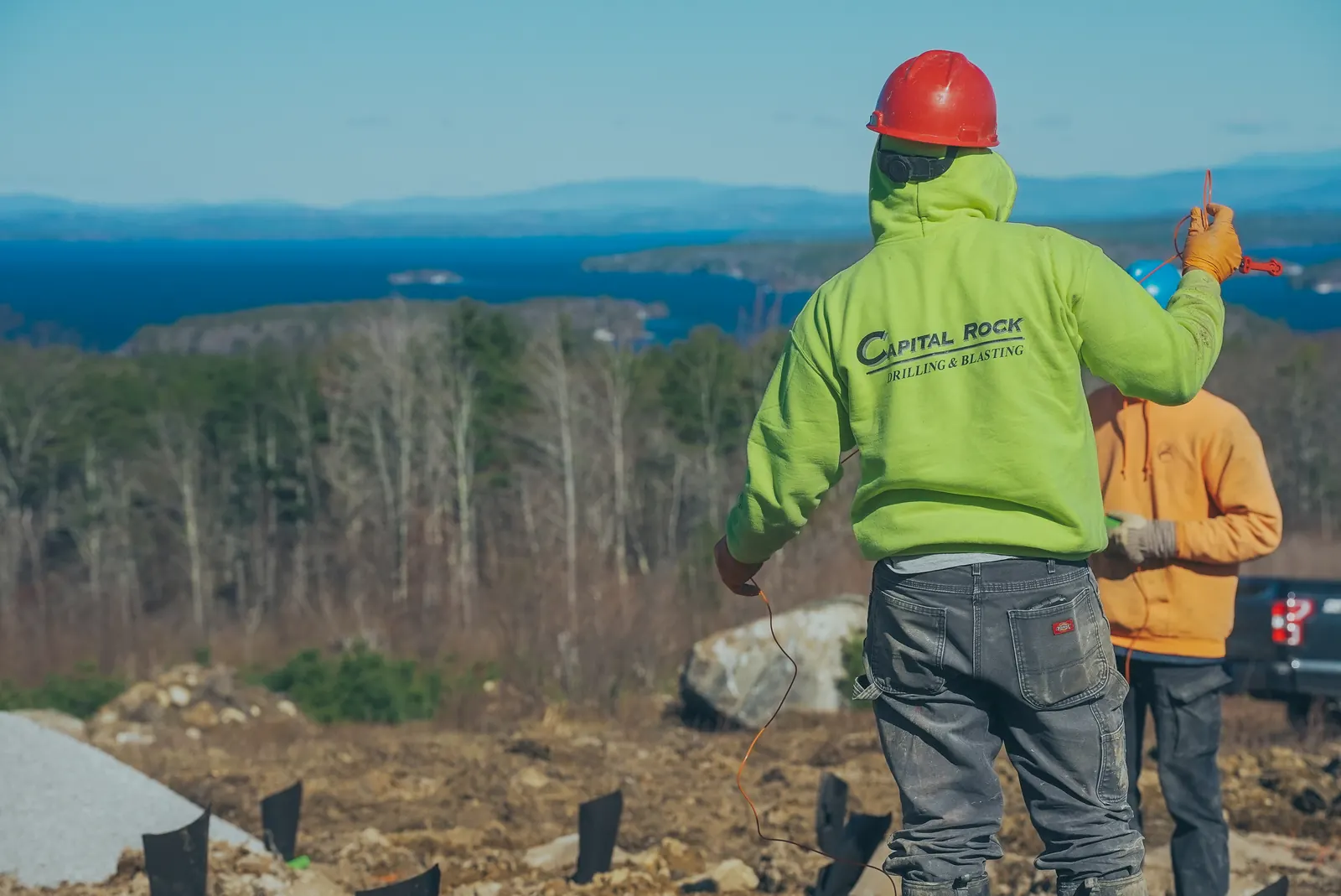
Two crew members coordinating work on site

Straight answers

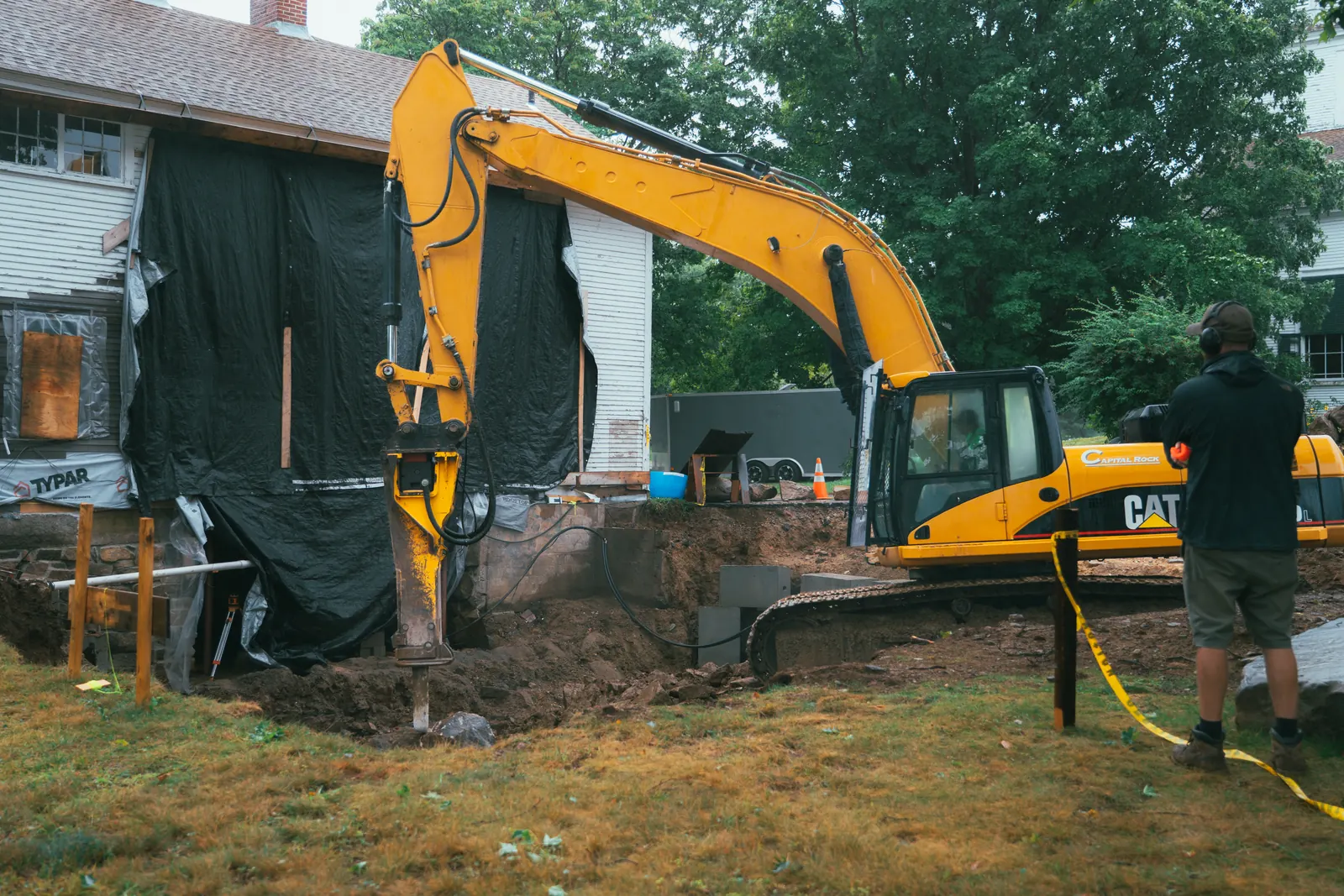
A blaster reviews the site, not a sales rep. Sometimes the answer is that the rock doesn't need blasting at all, and hoe ramming gets it done with less disruption. That answer costs a sale and saves a schedule.

Excavator with a hydraulic breaker working beside a house

Difficult jobs, done cleanly

Tight access, live utilities, structures that stay standing, sites that can't shut down. The plan is documented before anything is loaded, and that documentation is the record long after the crew leaves the site.

Where we work

ONE STANDARD, WHEREVER THE JOB.

Capital Rock plans and executes rock work across New Hampshire, Maine, Vermont, Massachusetts, and New York. The same crew travels; the same standards apply.

That range covers more than site development. Quarry development from first pit through production. Geothermal drilling. Ski resort work, where rock anchors and seismic conditions drive the plan. Municipal infrastructure — roadways, sewer, drainage and utility trenching.

See where we work

Ready to get started?

Work with a crew that shows up.

Start with a site review. A blaster, not a salesperson, reads the site.

Requesting a review does not commit the project to a particular removal method.