

Start with the site.
Specialized Applications.
Rock work planned around difficult access, limited working room, and active sites.
Planning a difficult site
Plan around what limits the work.
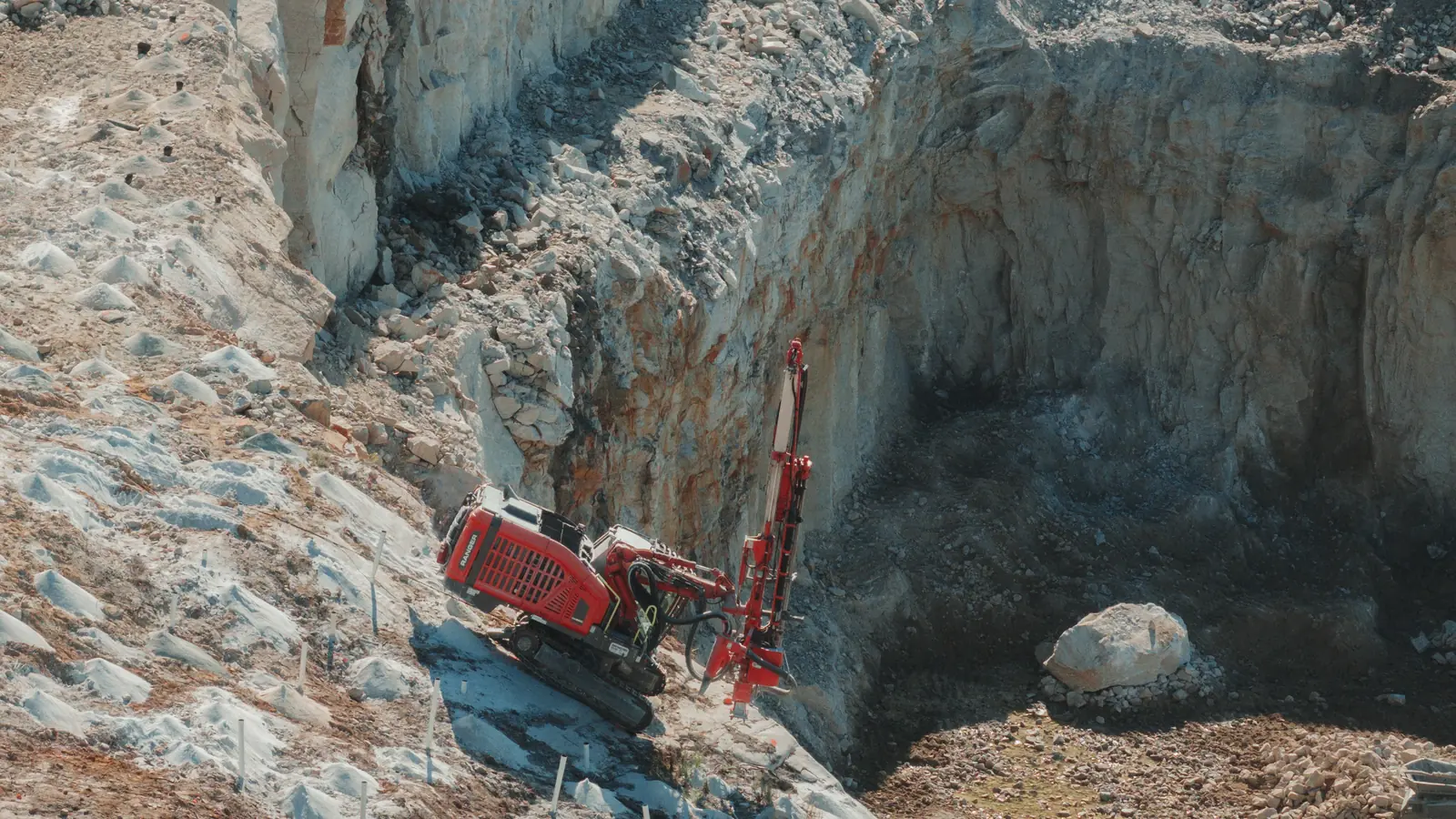
A narrow access route, a difficult machine position, or an active site can change the sequence of drilling and rock removal. Capital Rock reviews those constraints with the excavation requirements, material movement, and the next trade’s work.
Site constraints
What makes the site difficult?
Describe the conditions that could change access, equipment position, or the order of the work. Capital Rock reviews them together before recommending an approach.
Access, reach, and staging
Narrow routes, limited working room, ground conditions, machine reach, and staging space can change where equipment operates.
Nearby assets and active work
Structures, utilities, traffic, and other trades affect protection and coordination. Identify work windows and who controls access.
Removal limits and handoff
Rock conditions, excavation limits, phasing, and material movement affect the sequence and the next trade’s work.
Core services
The site guides the method.
Specialized Applications brings the site’s constraints into the review of drilling, blasting, and mechanical removal. The recommendation may be one service, a combination, or a request for more information.
Rock drilling
Creates holes for a planned blast or other specified drilling requirements. Position, depth, angle, and access depend on the required result.
Explore drilling →Controlled blasting
Uses a planned drilling and blasting sequence to fracture rock across an excavation area, with site protection and coordination.
Explore controlled blasting →Hoe ramming
Breaks rock incrementally with an excavator-mounted hydraulic breaker. Machine access, working room, and material movement shape the plan.
Explore hoe ramming →How the work runs
From site constraints to a work plan.
The sequence connects the service to the excavation and the work that follows.
01
Review the site
Review plans or photos, rock and removal limits, access, nearby conditions, schedule, and downstream work.
02
Identify the constraints
Determine what changes equipment position, reach, staging, traffic, work windows, or coordination with other trades.
03
Compare methods
Evaluate drilling, controlled blasting, mechanical removal, or a phased combination against the actual conditions.
04
Plan the operation
Agree the approach, sequence, responsibilities, material movement, and handoff. Identify any further information needed before the work can proceed.
Common Questions
Questions about a difficult site.
Practical answers about fit, planning, and coordination.
Do I need to choose a method first?
No. Describe the site and the work you need completed. The review may identify one core service, a combination, or information needed before a practical approach can be recommended.
Can blasting and hoe ramming be combined?
Yes. A blast may address the larger rock quantity while a hydraulic breaker handles selective areas. Capital Rock plans the combination as one operation around the site’s requirements.
Can you work with very limited access?
Often. Capital Rock starts with the access route, working room, and equipment position. If the equipment cannot reach or work the area, that is identified before mobilization.
Can other site operations continue?
Sometimes. Traffic, other trades, clearances, and work windows must be reviewed with the general contractor before an approach is confirmed.
Does this include wind, ski, or specialty sites?
Yes. Capital Rock drills and blasts on ski mountains and wind projects, including turbine pads, access roads, and interconnect trenches. Steep ground, tight staging, and the trade that follows shape the plan from the start.
Who handles approvals and coordination?
Capital Rock coordinates the drilling, blasting, mechanical removal, and access needs within its scope. The owner and general contractor remain responsible for project permits. Responsibilities are identified during the review.
What should I send about a difficult site?
Send the location, photos or plans, access route, working room, nearby structures and utilities, other activity on site, schedule, and the trade that follows.
Ready to review the site?
Show us what makes the site difficult.
Share plans or photos, the access route, working room, nearby activity, and schedule. Capital Rock will review the constraints and identify a practical next step.
Requesting a review does not commit the project to a particular removal method.