
Site development
Foundations & building pads
For builders and property owners: define the excavation limits, nearby structures and utilities, and the access needed for foundation work.

Planned around the site.
Break solid rock to make way for foundations, trenches, and other excavation.
Built around your project
The removal plan has to fit the job that follows—whether you’re preparing a foundation, cutting a road, running a quarry, or working through a difficult site.
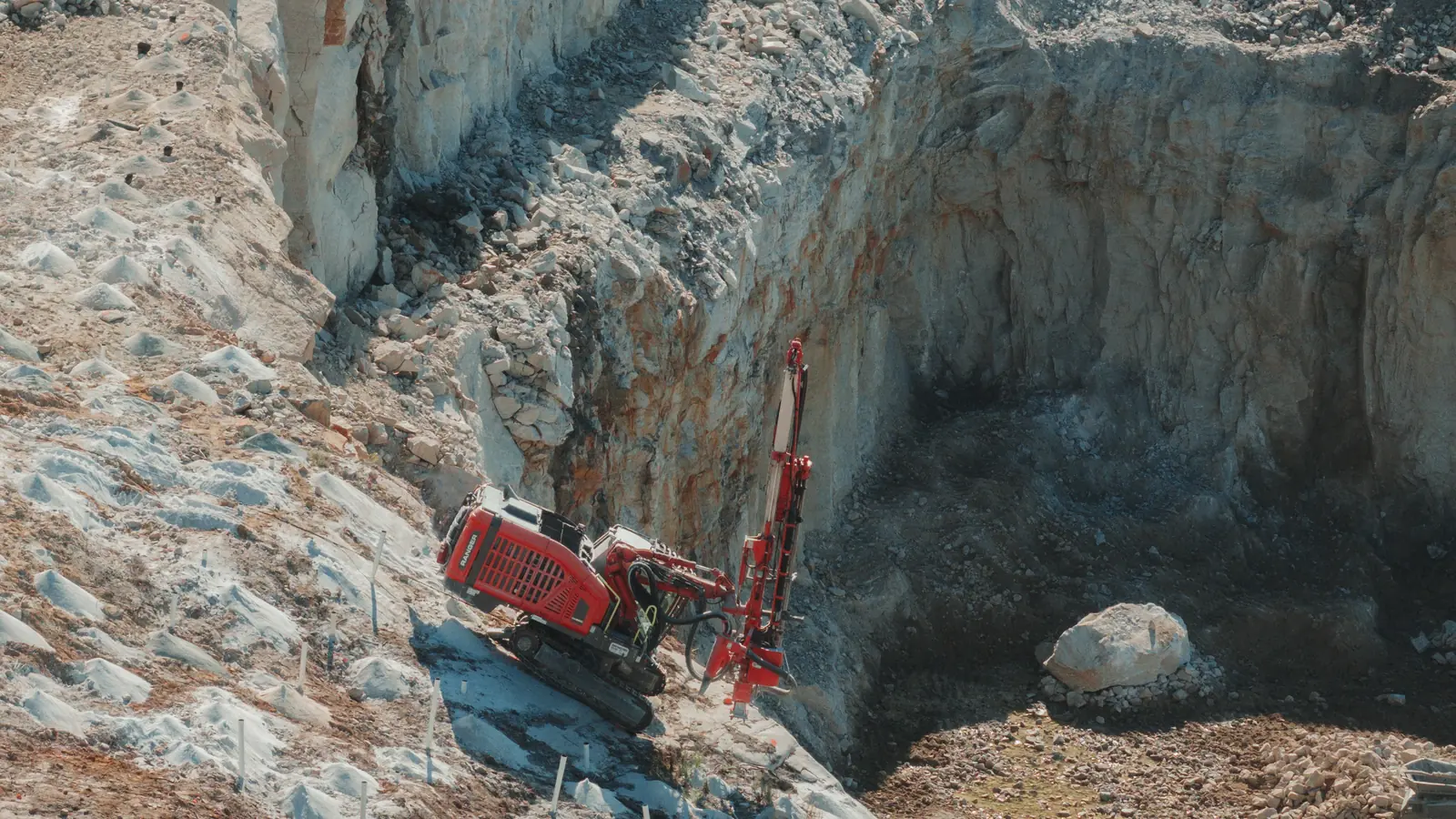
Site development
For builders and property owners: define the excavation limits, nearby structures and utilities, and the access needed for foundation work.
Civil work
For civil and utility contractors: coordinate the rock cut with traffic, existing utilities, equipment access, and the construction sequence.
Production
For quarry operators: balance rock volume and output goals with drilling, equipment, sequencing, and site controls.
Complex sites
For specialty project teams: work through restricted access, infrastructure, staging, and coordination requirements.
Explore specialized applications →Finding the fit
Rock volume, production needs, access, and the surrounding work determine the approach.
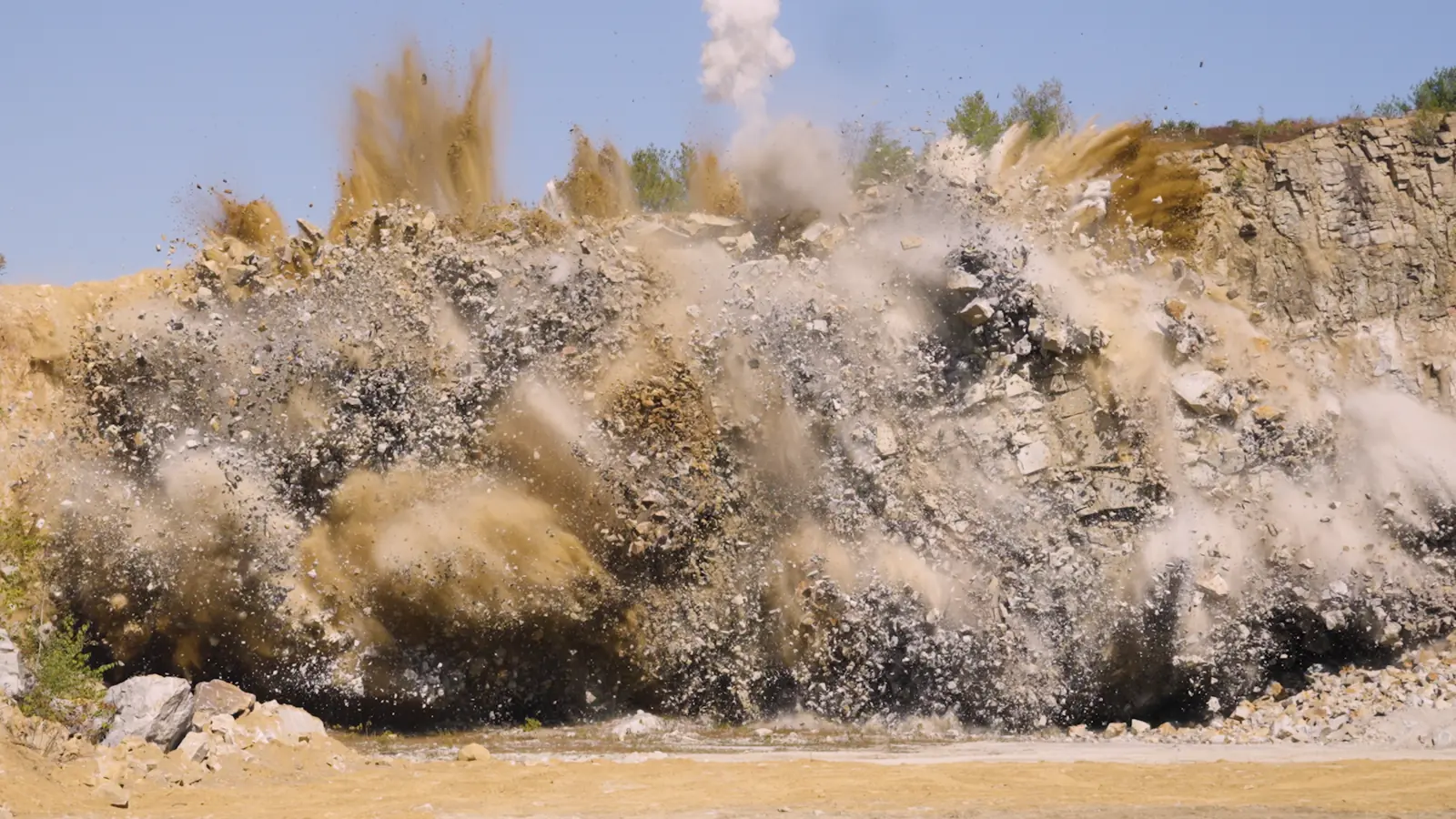
A Capital Rock controlled blast. The removal plan accounts for the excavation and its surroundings.
Planning the work
Rock quantity and excavation limits, drilling access, and nearby structures or utilities shape the approach.
Plan drilling, protection, notifications, monitoring and records around the construction sequence and other trades.
Send plans or photos, the location, approximate rock volume and schedule.
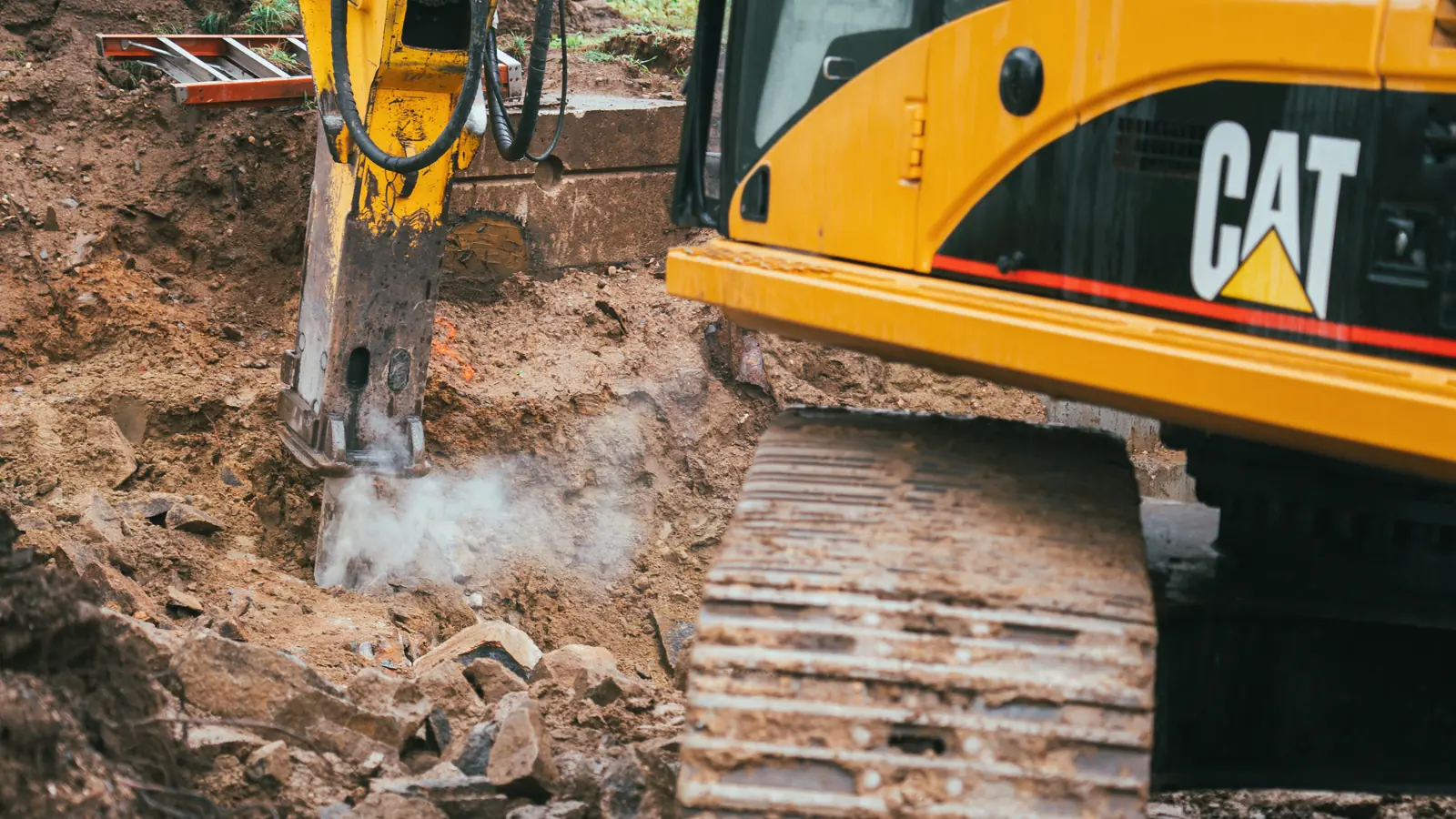
Hoe ramming breaks rock incrementally within the available work area.
Planning the work
The excavator needs a position it can work from, room to maneuver, and reach to the rock.
Rock conditions and removal rate affect the sequence. Noise, duration and handling the broken material also need planning.
Send photos of the rock and equipment approach, excavation limits, approximate quantity and schedule.
Next step
Site review
We review the rock, its surroundings, and the project requirements together.
Rock strength, fractures, weathering, orientation.
Quantity, shape, depth, and removal limits.
Nearby structure distance, condition, sensitivity, and planned work.
Utilities, roads, foundations, and active systems that need protection.
Working room, staging, traffic, and other trades.
Output goals, phasing, timing restrictions, and the next operation.
How the job runs
Your site information leads to a method recommendation, a coordination plan, and documented field work.
Understand the site
Review the rock, access, nearby assets, plans, and project constraints.
Location · photos · plans
Choose the approach
Recommend blasting, hoe ramming, or a combination, with a preliminary control approach.
Method · initial controls
Align the work
Align timing, notifications, access, equipment, other trades, and responsibilities.
Access · timing · responsibilities
Carry out the plan
Perform the work, monitor as required, and document the completed activity.
Monitoring · field documentation
Site protection and exclusion areas are planned around critical assets and access points. Vibration, airblast, and noise monitoring are applied as required. Blast plans, monitoring records, and field documentation keep an account of the work.
Project in focus
Large-scale quarry production coordinated through drilling, sequencing, site controls, and project documentation.
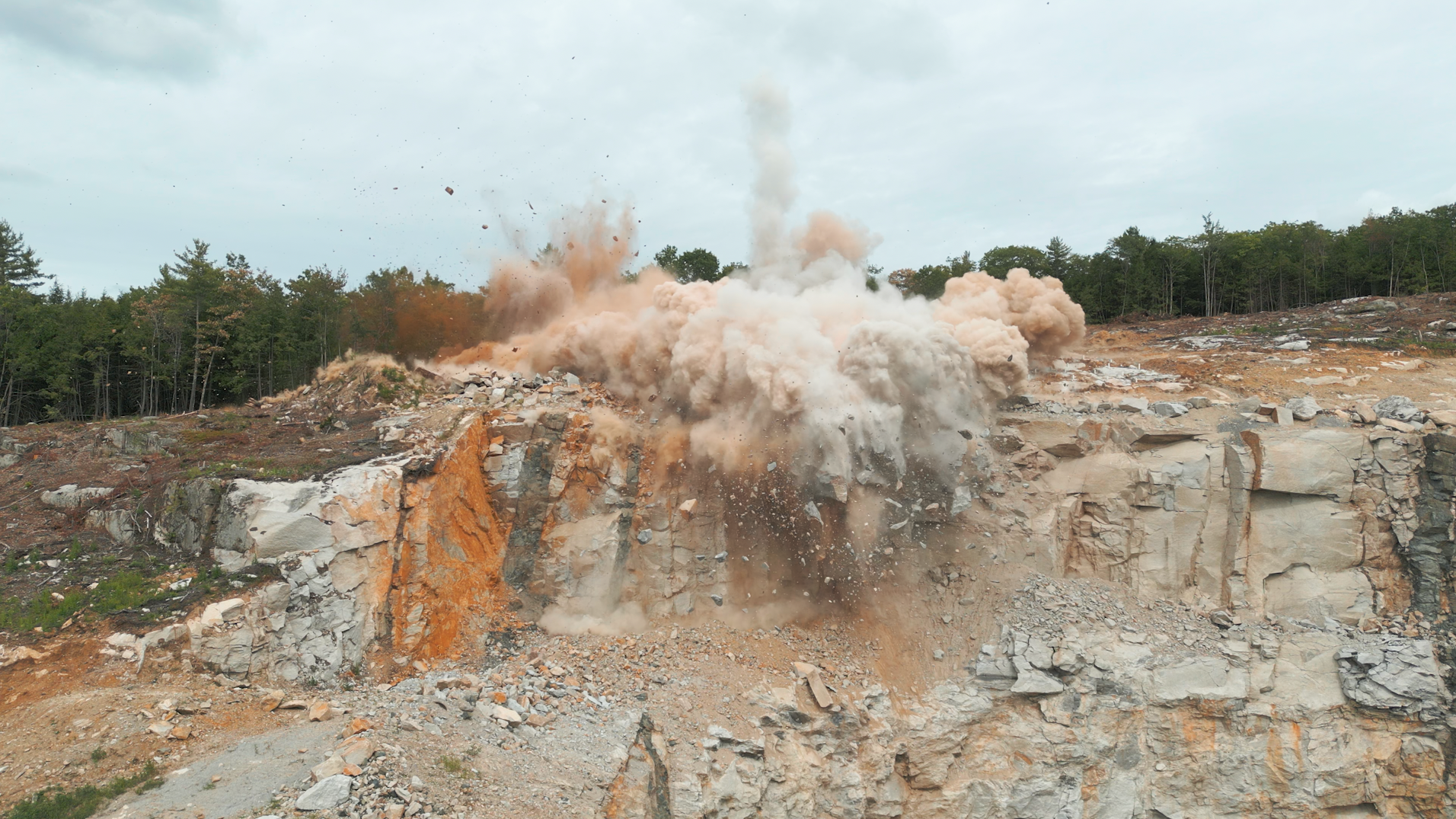
Capital Rock’s Oxford quarry blast.
View the Oxford project →66,768
pounds of explosives
240
drill holes
81,000
tons of rock
Common Questions
Practical answers about fit, planning, and coordination.
Controlled blasting uses explosives to break solid rock so foundations, trenches, and other excavations can move forward. Capital Rock reviews the excavation, equipment access, and nearby structures and utilities before recommending a removal method.
An excavator-mounted breaker removes rock incrementally. It may suit smaller quantities, selective removal or phased work.
Often, if the rock, the structure, and access support it. Capital Rock reviews these conditions together, monitors at sensitive points, and may use mechanical removal or a smaller blasting sequence when appropriate. Distance alone does not determine the method.
Often, with utility locations, protection, and a sequence that accounts for traffic and nearby infrastructure. Roads and utilities are considered in the blast plan.
Where the site requires it, meters are placed at relevant monitoring points. Capital Rock records the blast and keeps the monitoring record with the plan as part of the work.
Yes, where access, exclusion areas, and other trades can be coordinated. The blast is planned around the site operations that need to continue.
Send the location, plans or photos, approximate rock quantity, nearby houses, wells, utilities or roads, and your schedule. Include any existing discussions with the town or fire department.
No. The recommendation may be controlled blasting, mechanical removal, a combination, or a request for more information. Requesting a review does not lock in a method.
Ready to get started?
Share the location, approximate rock volume, plans or photos, schedule, and nearby structures or utilities. We’ll review the conditions and recommend the next step.
A site review does not commit you to a removal method.